The Walls Ablaze
Montagnana is a medieval town still completely enclosed by its ancient walls—quite possibly one of the best-preserved medieval walled towns in all of Italy. Towers punctuate the skyline, while the great gates that once marked the boundary between what was inside and what was outside still welcome you into town today.
But the best thing about walking through Montagnana is that it never feels like a museum.
It’s a real town. People live here. People meet here. It’s part of the everyday life not only of its residents, but also of the communities around it. Houses, piazzas, cafés, and ordinary streets coexist with structures that have been standing for hundreds of years. And despite all that history, Montagnana never misses a chance to look at what’s new, hosting fairs and events like Tales Montagnana, which celebrates everything from video games to comics and pop culture.
This time, I stayed in a beautiful old country house practically sitting right against the outer moat of Montagnana’s walls, at Via Circonvallazione 28.
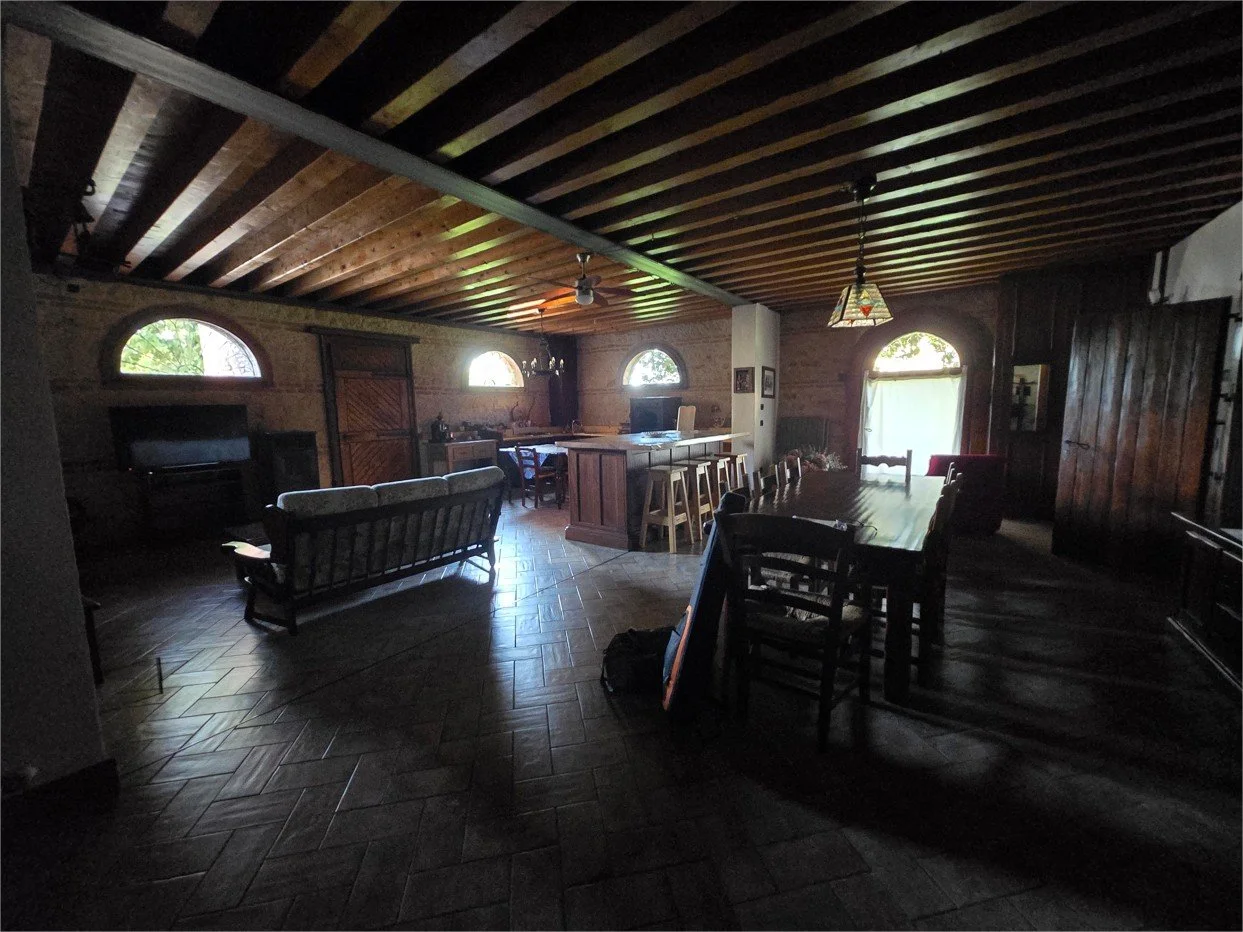
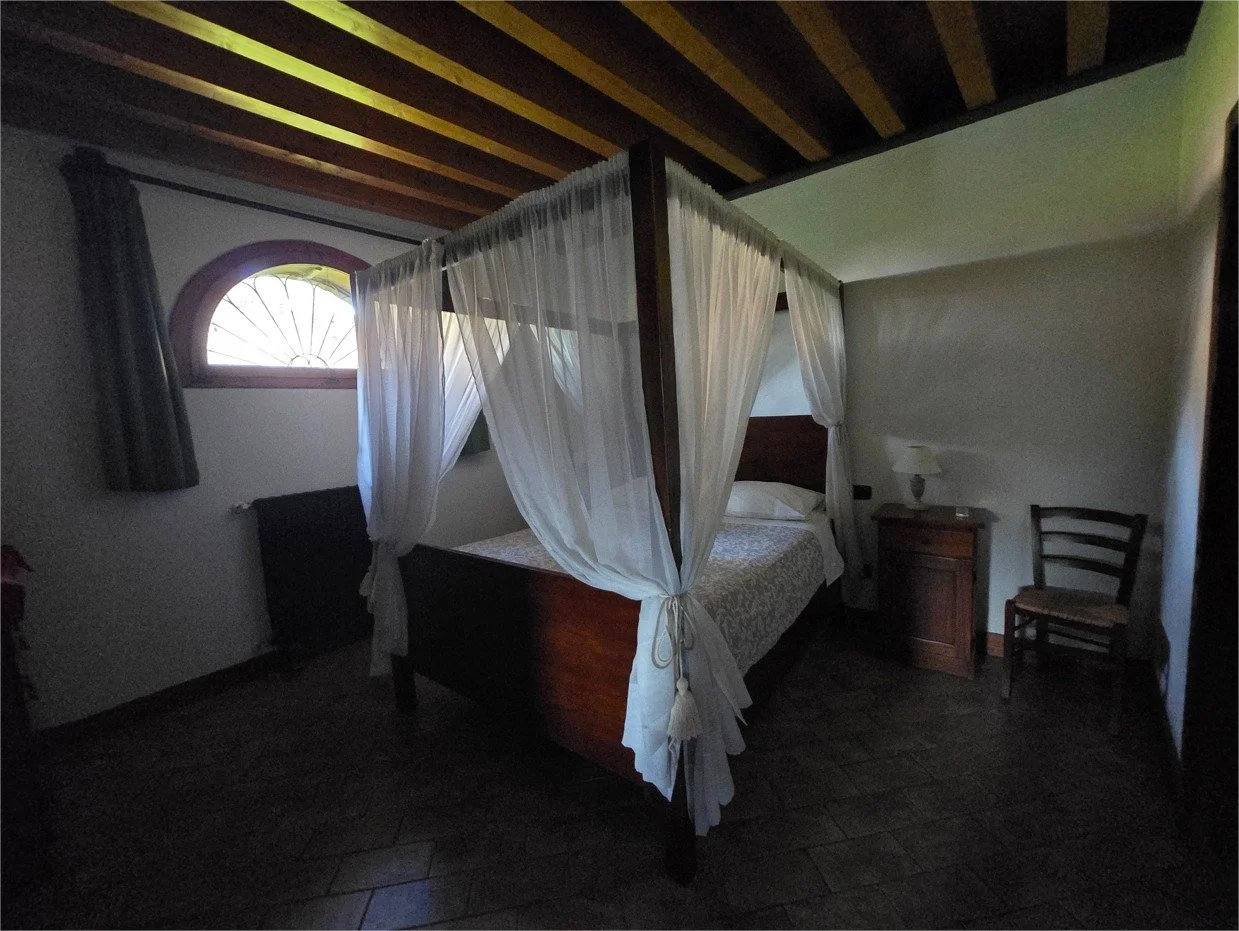
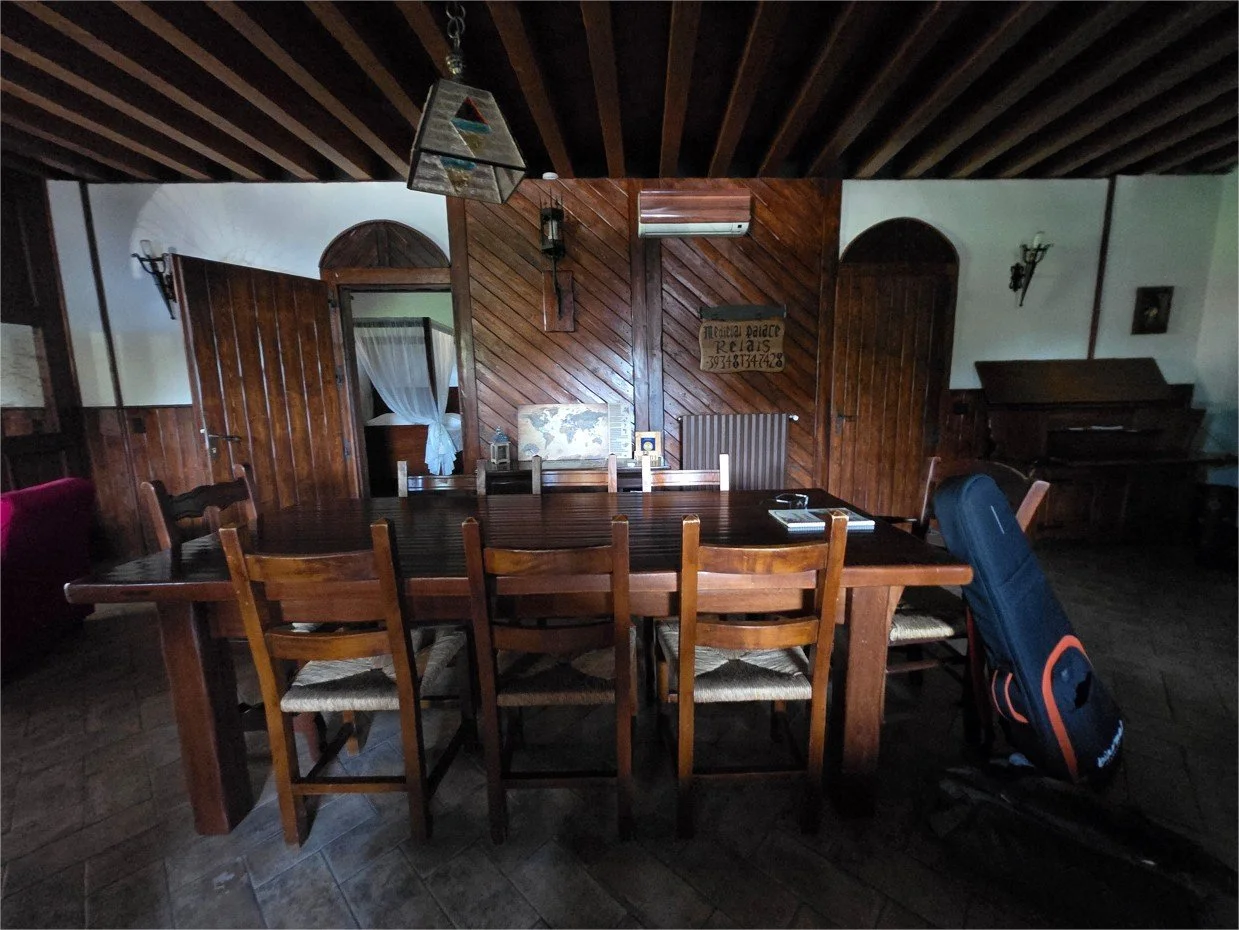
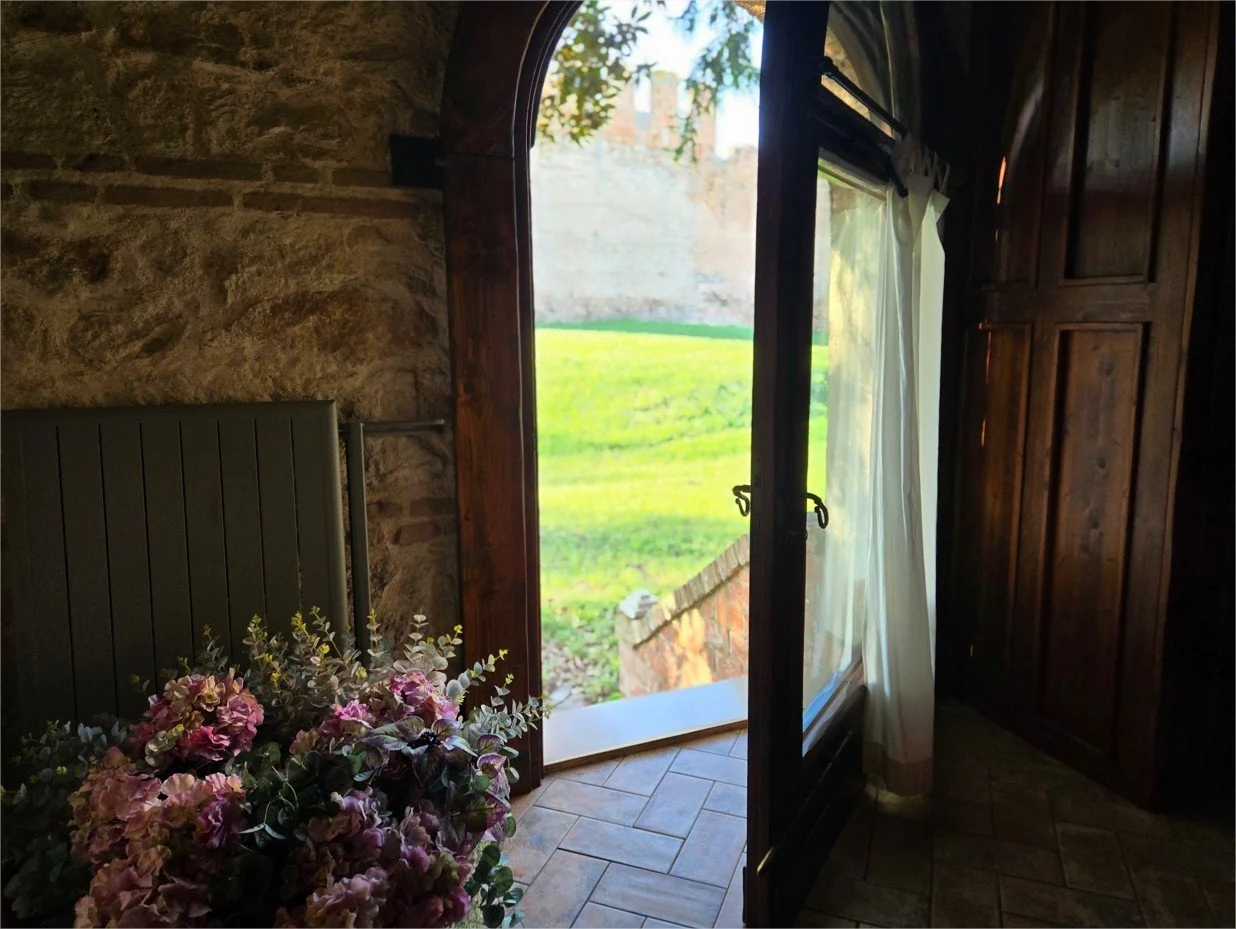
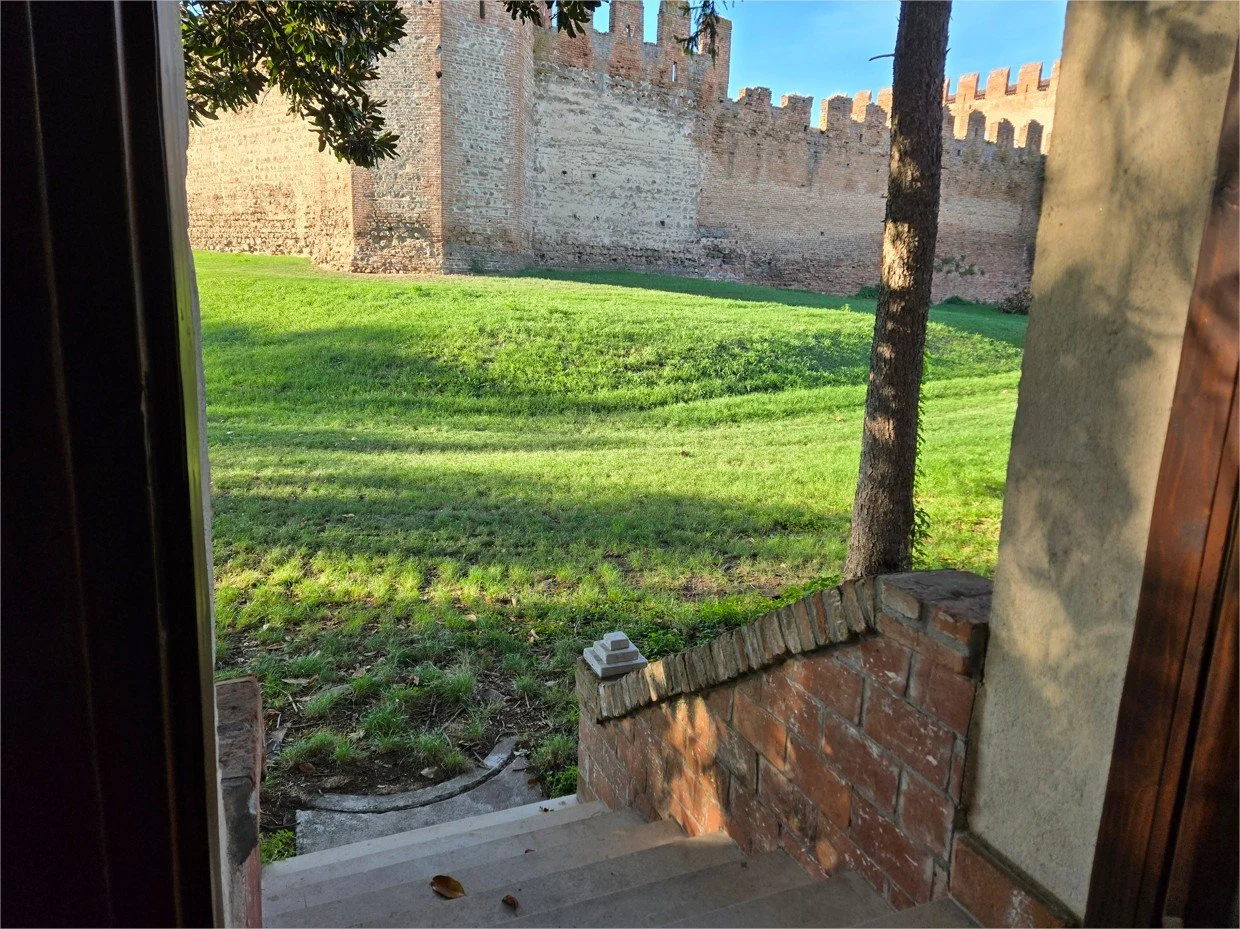
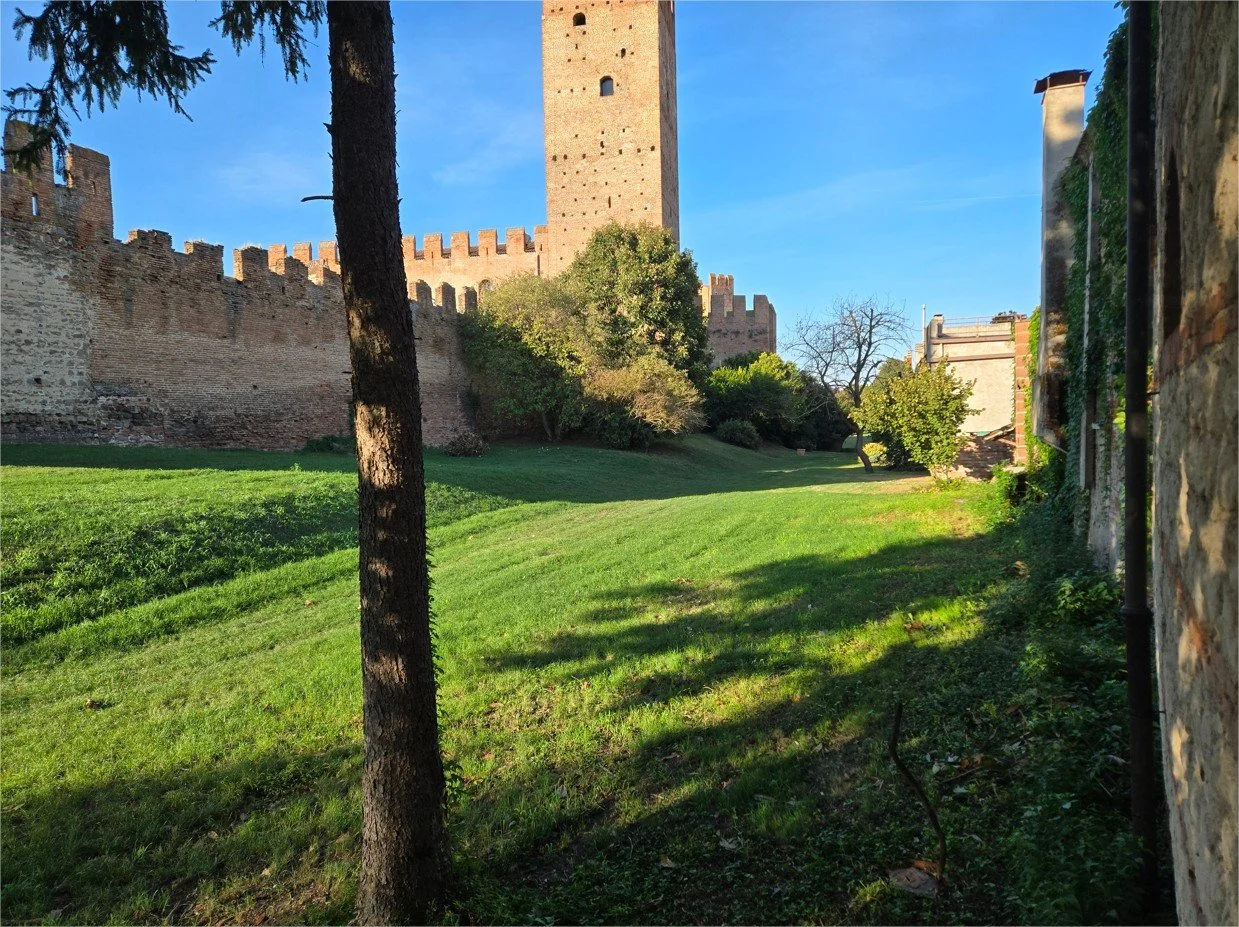
What makes it particularly interesting is that this isn’t a modern building designed to “look medieval.” According to the property’s own description, it’s a historic building that underwent a long restoration, preserving its original stone walls, exposed wooden beams, and period structure. But what really makes the place special is its location. Walk out the back of the property and you’re basically right on the moat, directly in front of the city walls. So you’re not simply “close to the historic center.” The walls are literally your view.
You can sit outside in the garden and have a meal with the medieval walls keeping you company, or simply step outside for some fresh air and enjoy a coffee with a slightly medieval flavor to it. The house itself is quite spacious: two double bedrooms, two bathrooms, and a large shared living area and kitchen, making it great whether you’re traveling alone or with a group of four. The interior deliberately preserves the historic atmosphere, with lots of wood, exposed beams, and even a four-poster bed. I’ll leave you with a few photos I quickly took with my phone.
This time, though, I came back to Montagnana for the Palio dei Dieci Comuni. Every year, at the beginning of September, the town travels back several centuries for a few days. And it works particularly well because there’s almost no need to imagine the setting. It’s already there. The walls are there. The towers. The castle. The huge moat surrounding the town.
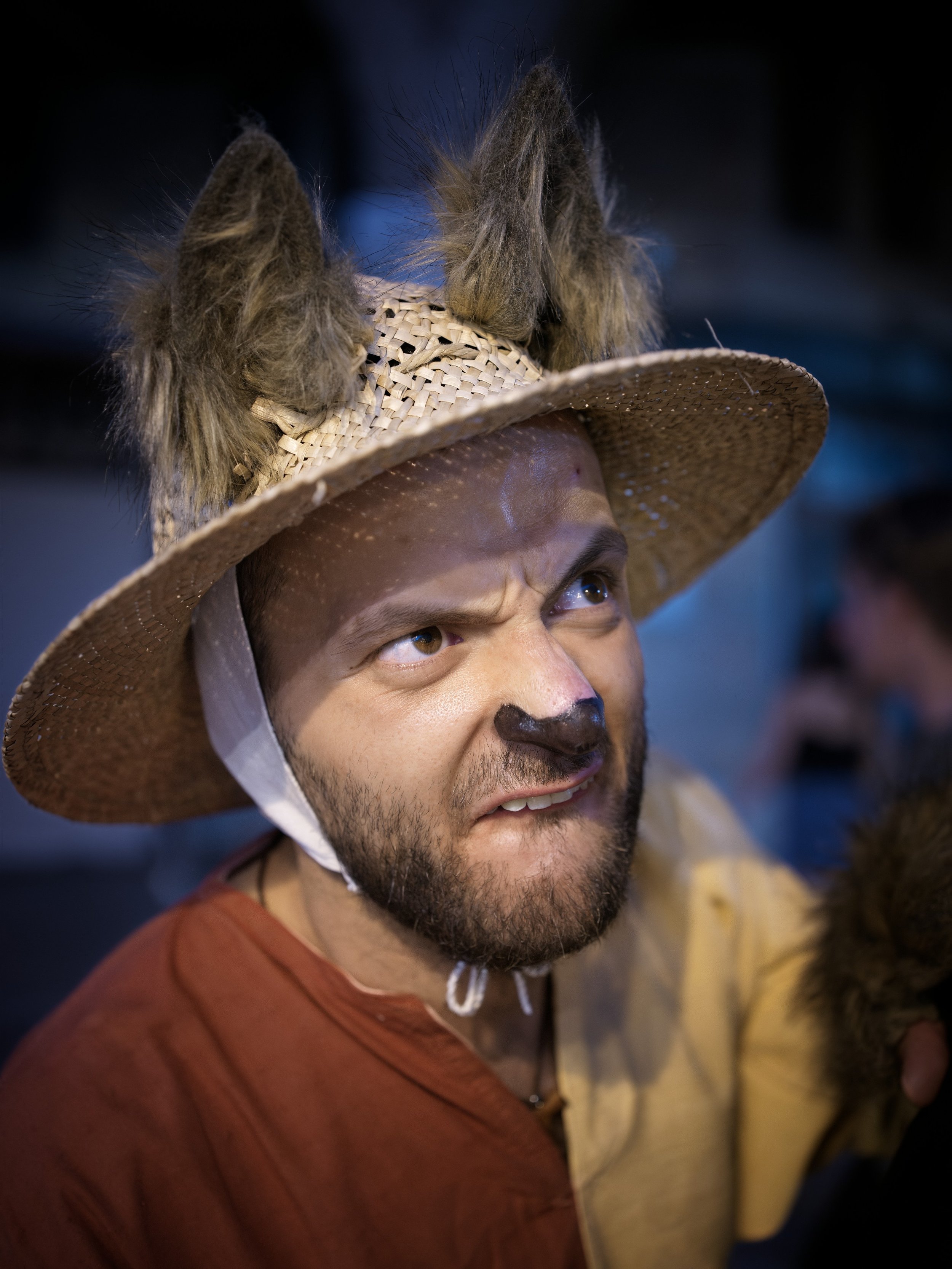
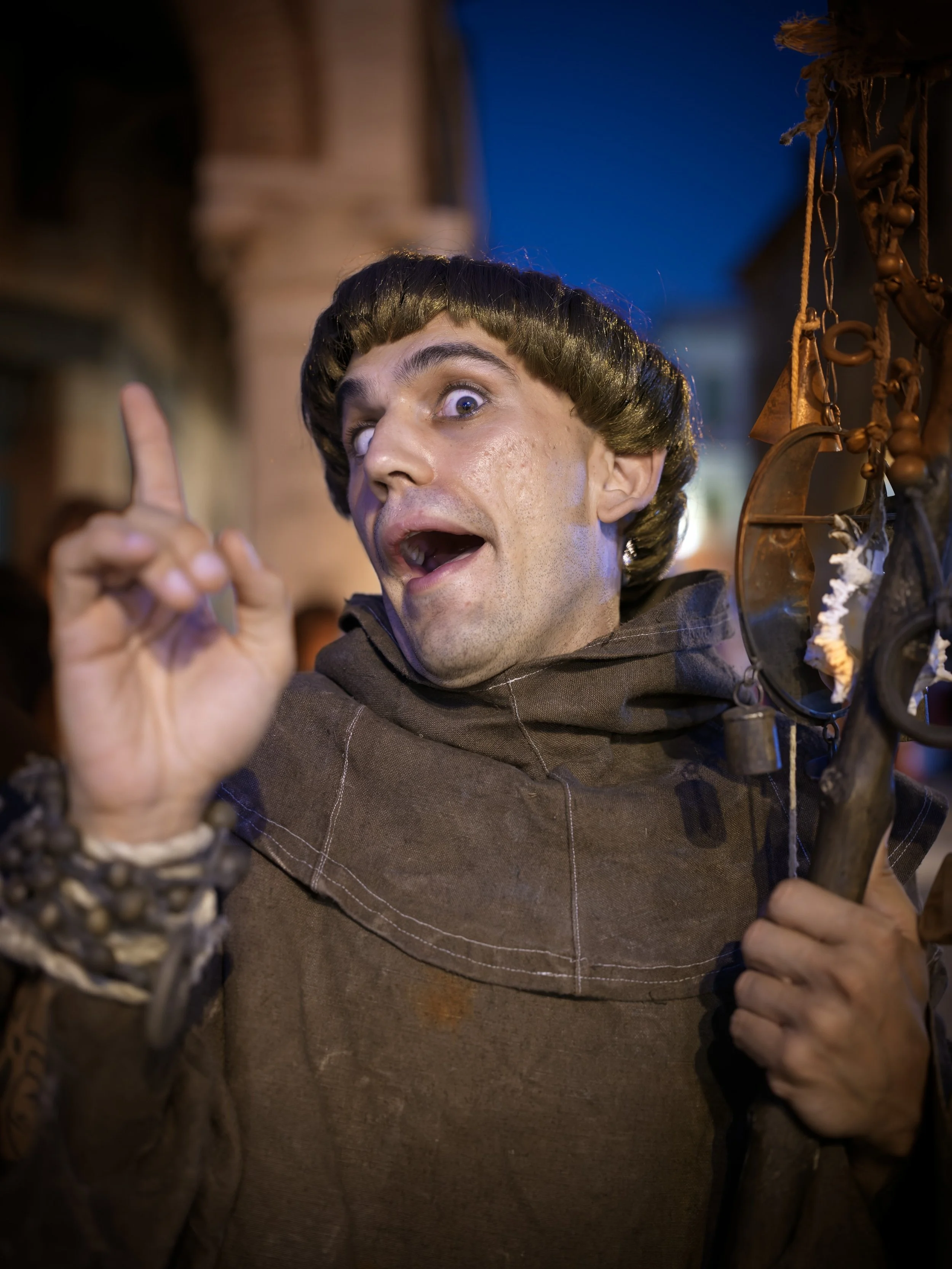
Then come the flags, the drums, the flag throwers, the archers, the costumes, the horses, and a considerable number of people who suddenly seem to have some unfinished business with the 13th century.
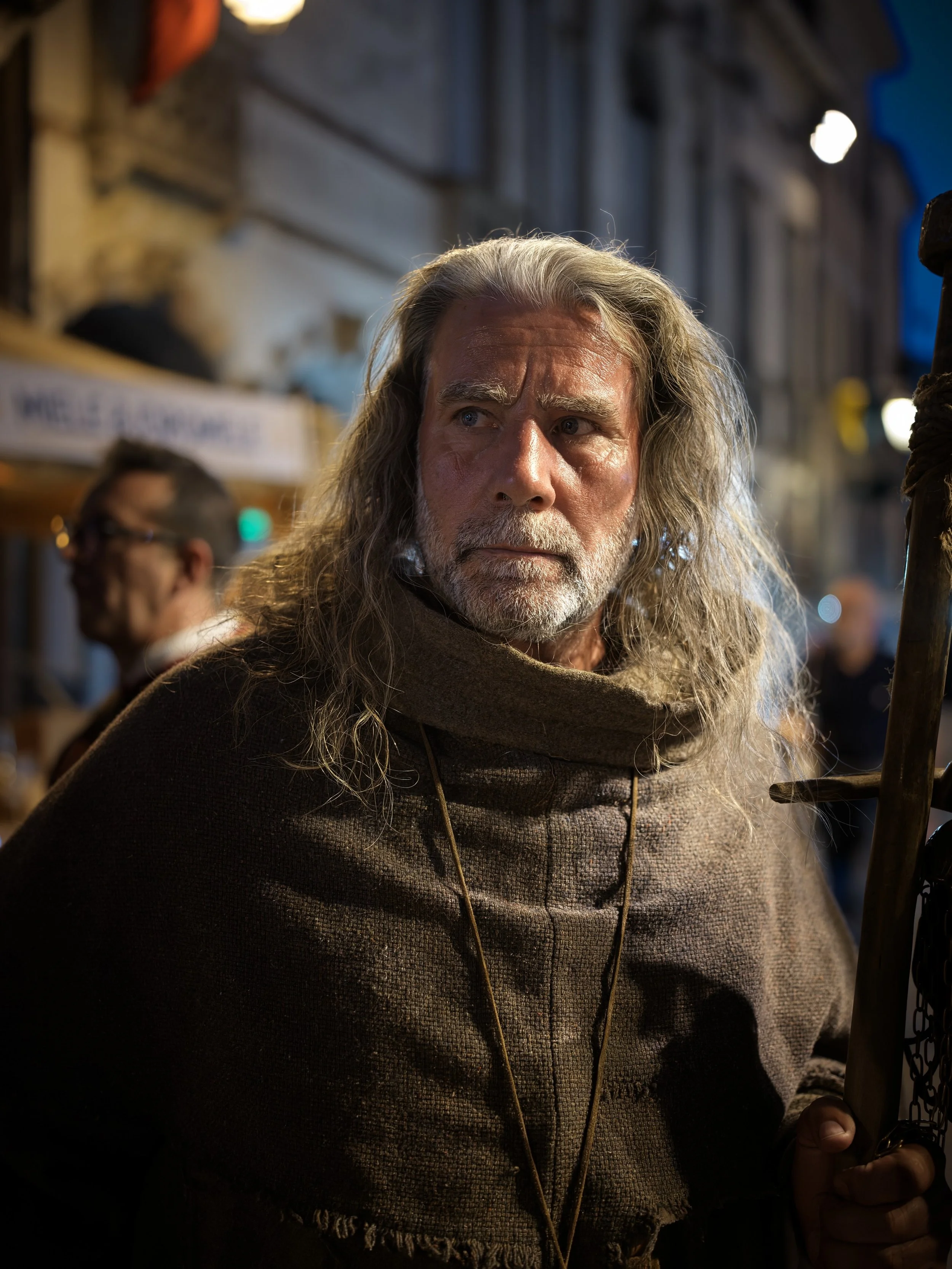
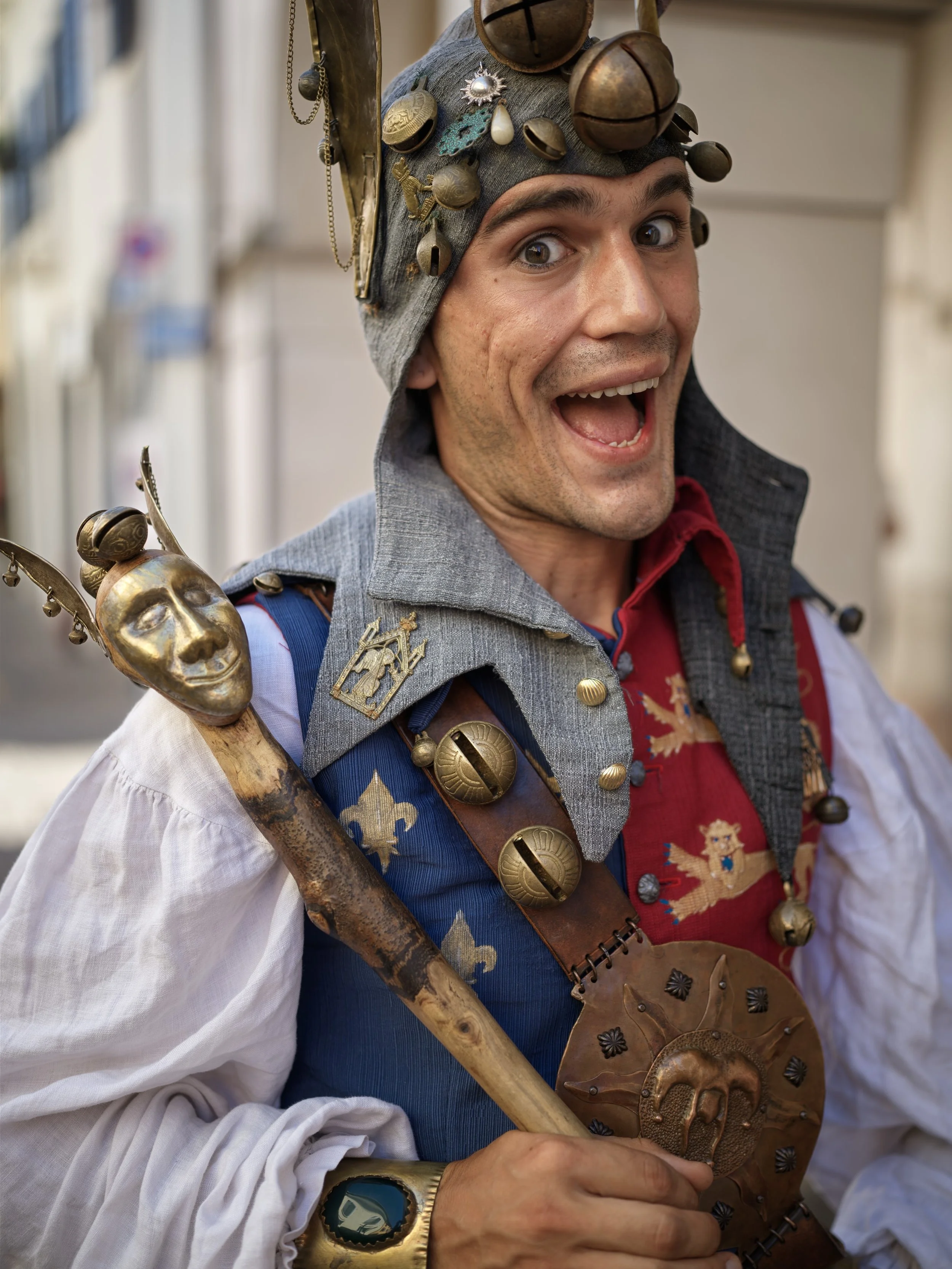
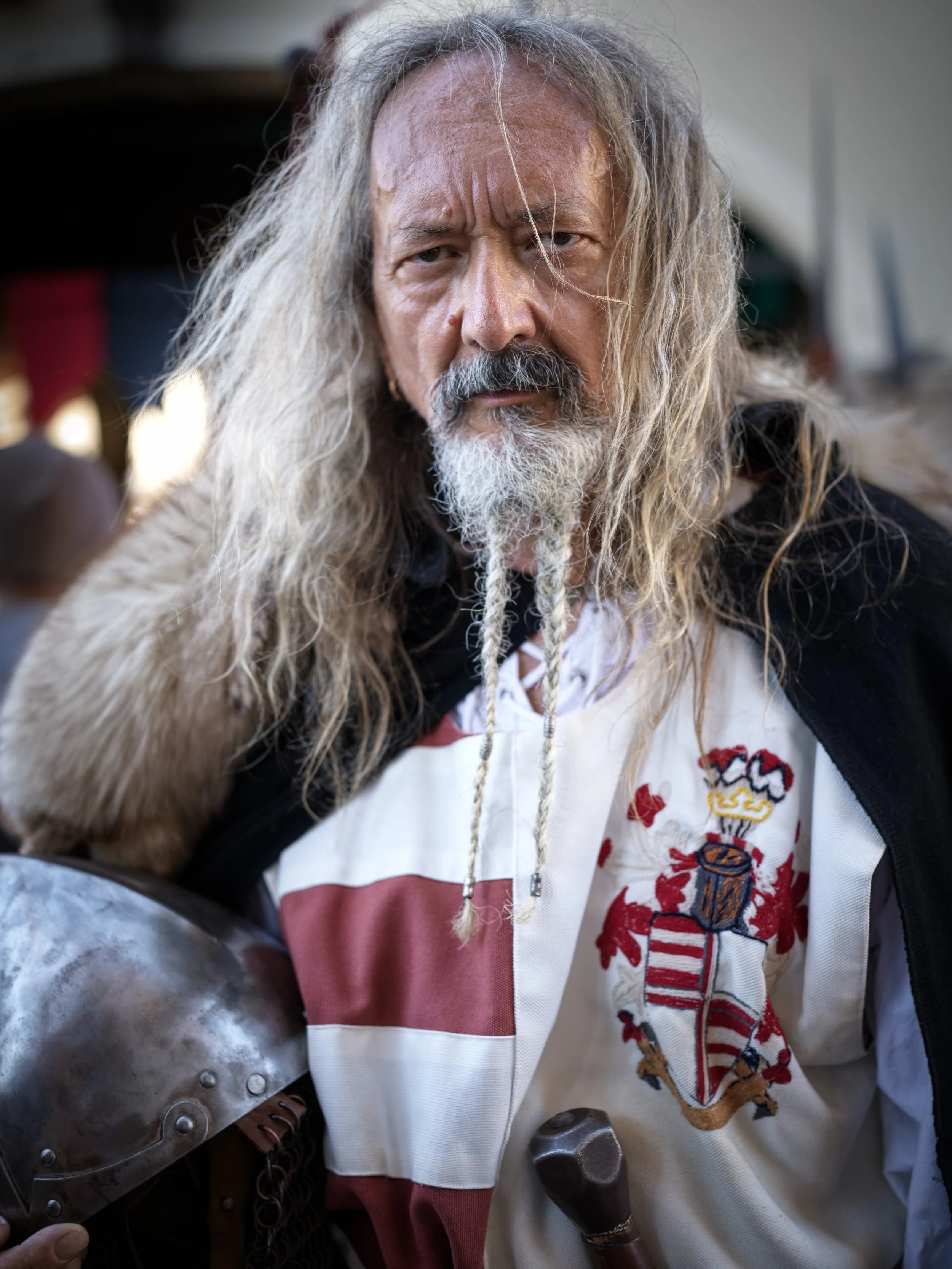
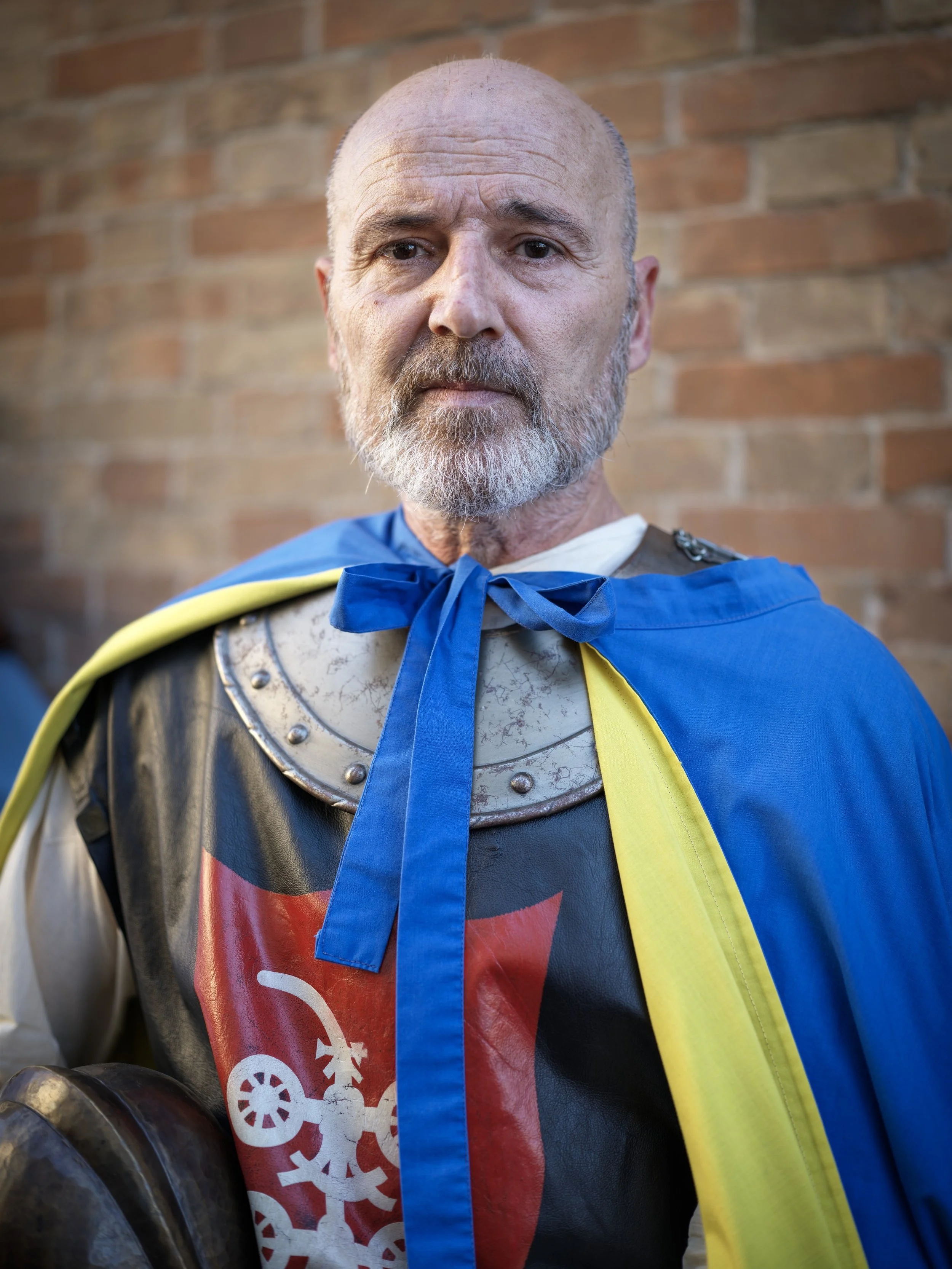
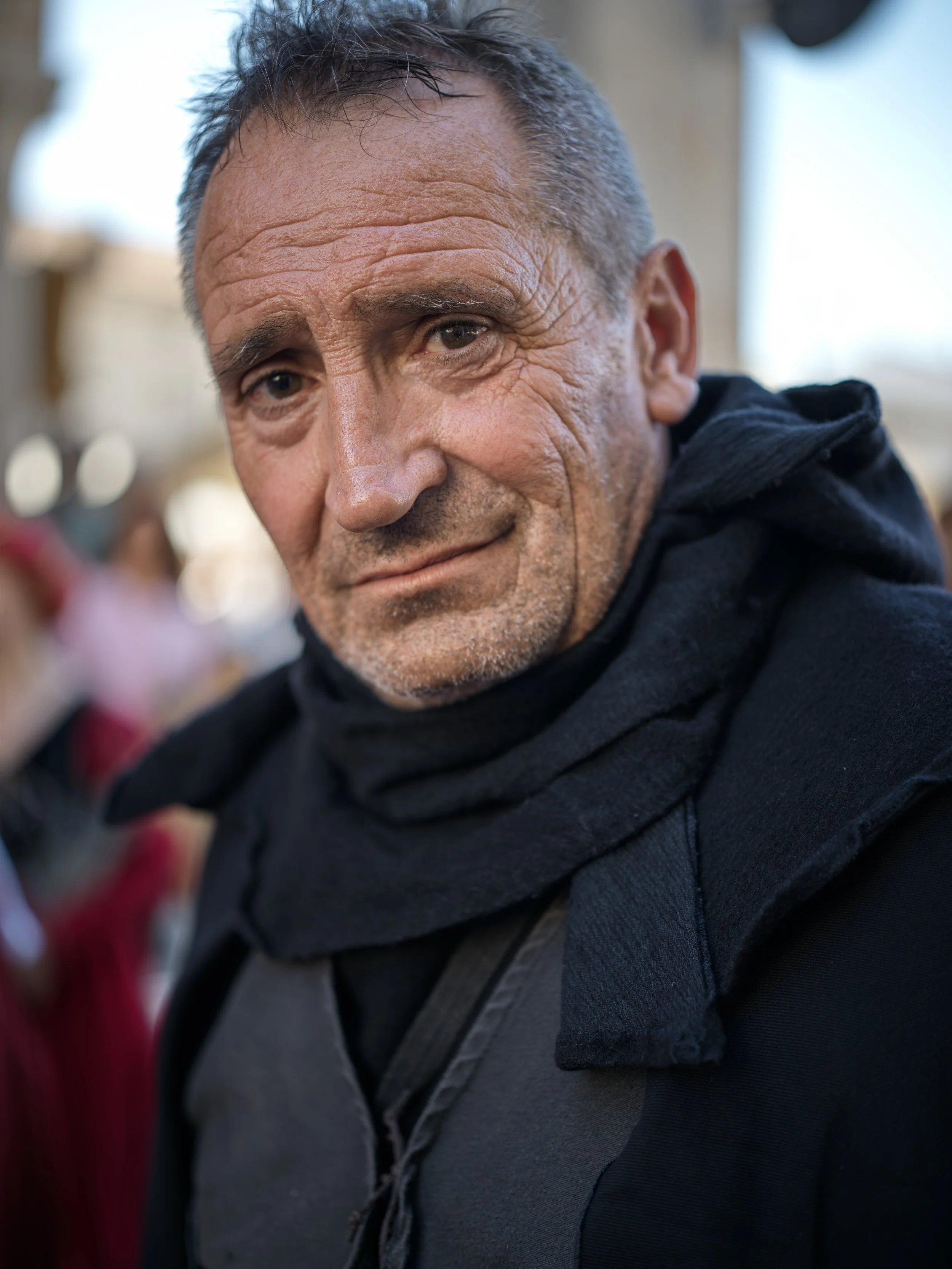
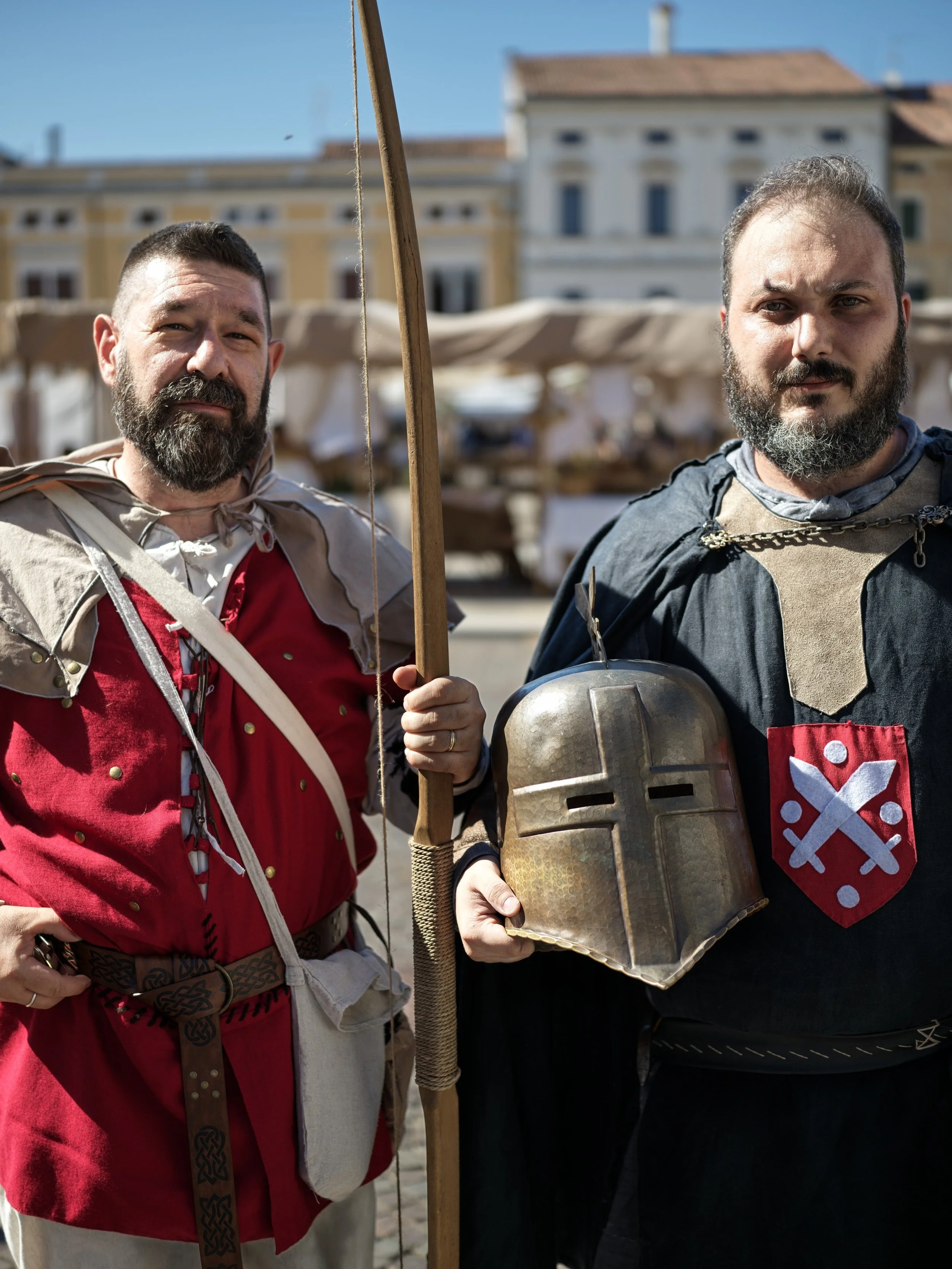
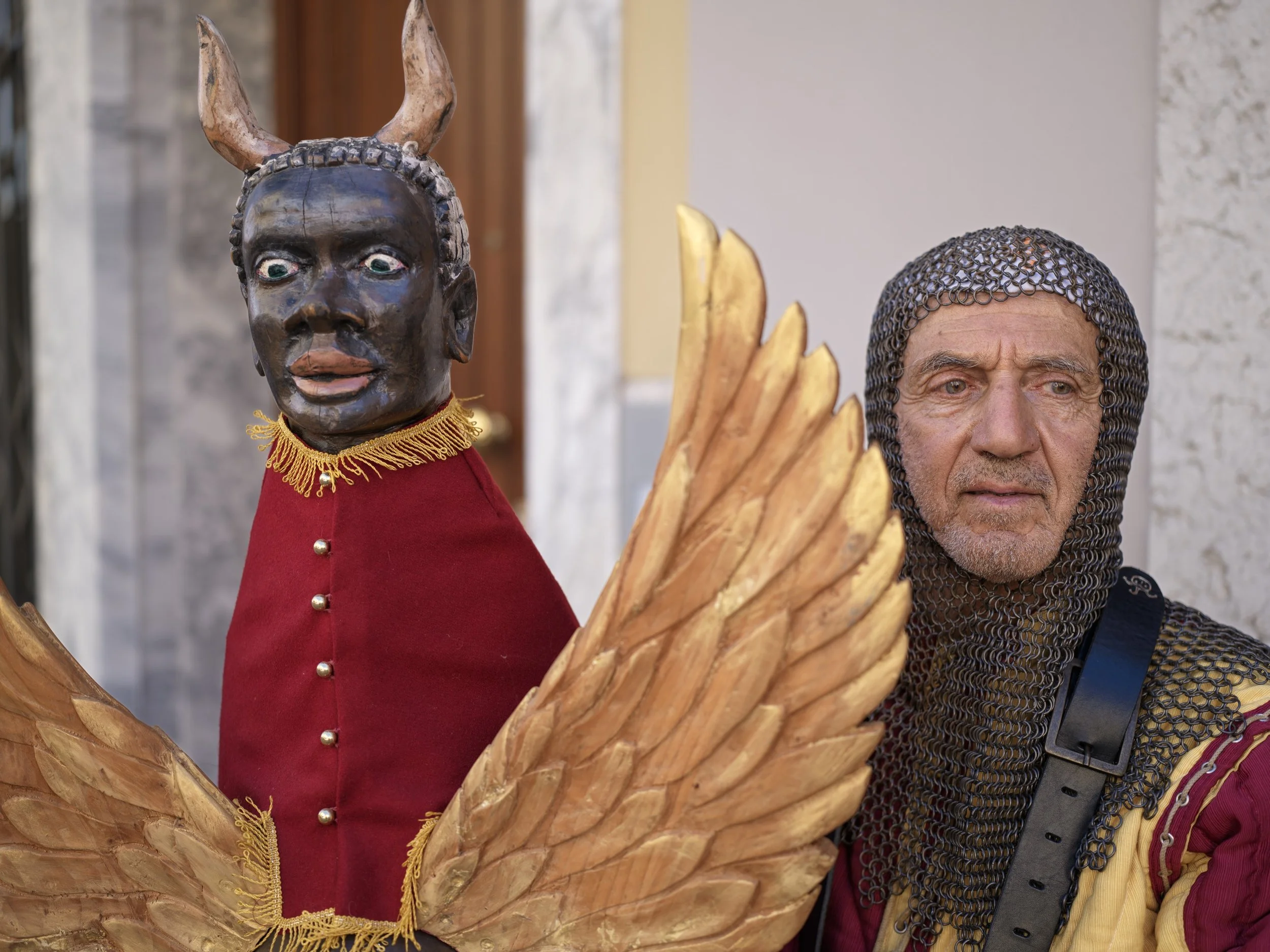
The Palio itself has very ancient roots. The tradition is connected to Montagnana’s liberation from the rule of Ezzelino III da Romano in 1256, and references to races and celebrations of this kind can be found in the town’s ancient statutes. The modern Palio, as we know it today, was revived in 1977 and brings together the ten municipalities of the historic Montagnana territory.
But more than anything else, the Palio is the moment when Montagnana changes its atmosphere.
The great historical parade makes its way through the streets, with each town carrying its own colors. Noblewomen, knights, men-at-arms, and musicians appear everywhere. There are archery competitions, flag-throwing contests, taverns, traditional crafts and, when evening comes, the moment that for me is the most magical of all: the spectacle reenacting the assault and burning of Montagnana in 1242.
The walls light up against the night sky.
Then come the flames, the smoke, the flashes of light. Fire seems to race along the fortifications, and suddenly those towers that look as though they have been standing perfectly still forever become a fortress again.
None of this would be possible without the dedication of the people and historical reenactors who devote their time and energy every year to bringing this little piece of the Middle Ages back to life. And it’s not simply a matter of putting on a costume.
Behind every outfit there is research, craftsmanship, and an almost obsessive attention to detail. Nobles, ladies, men-at-arms, commoners, members of the clergy, artisans, musicians, and flag throwers: when the Palio arrives, hundreds of people stop being ordinary residents of these towns for a few hours and become part of their own history.
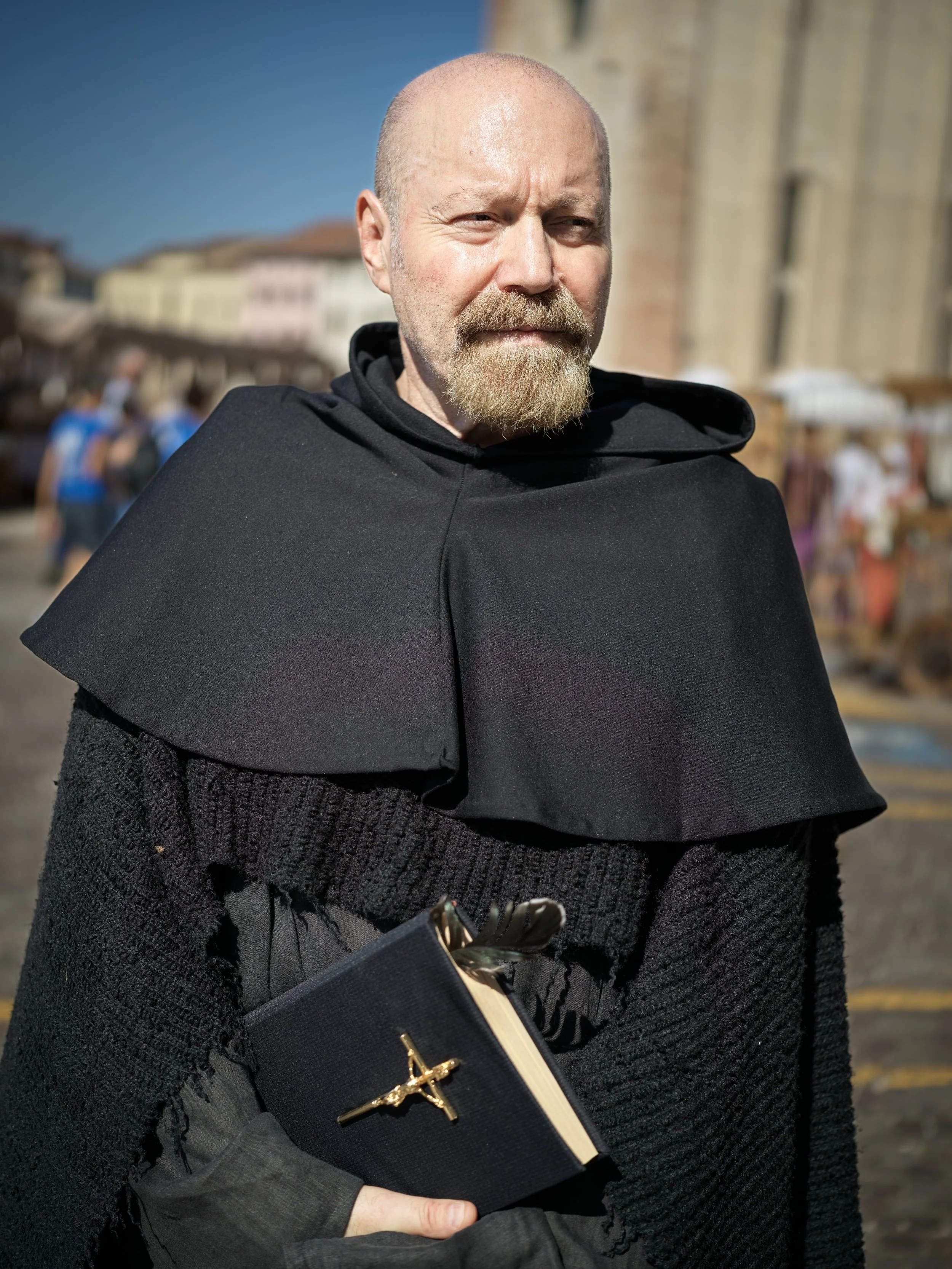
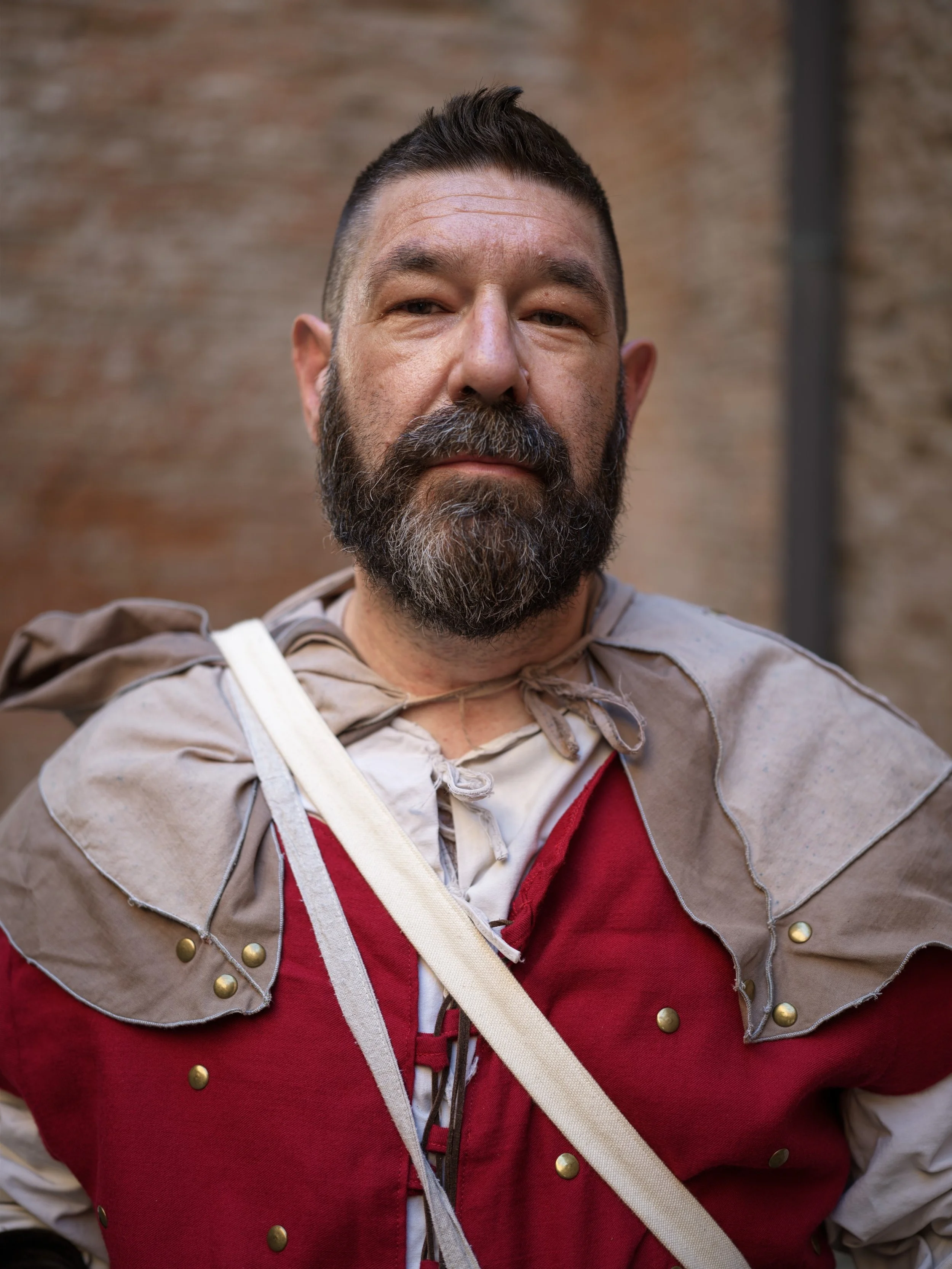
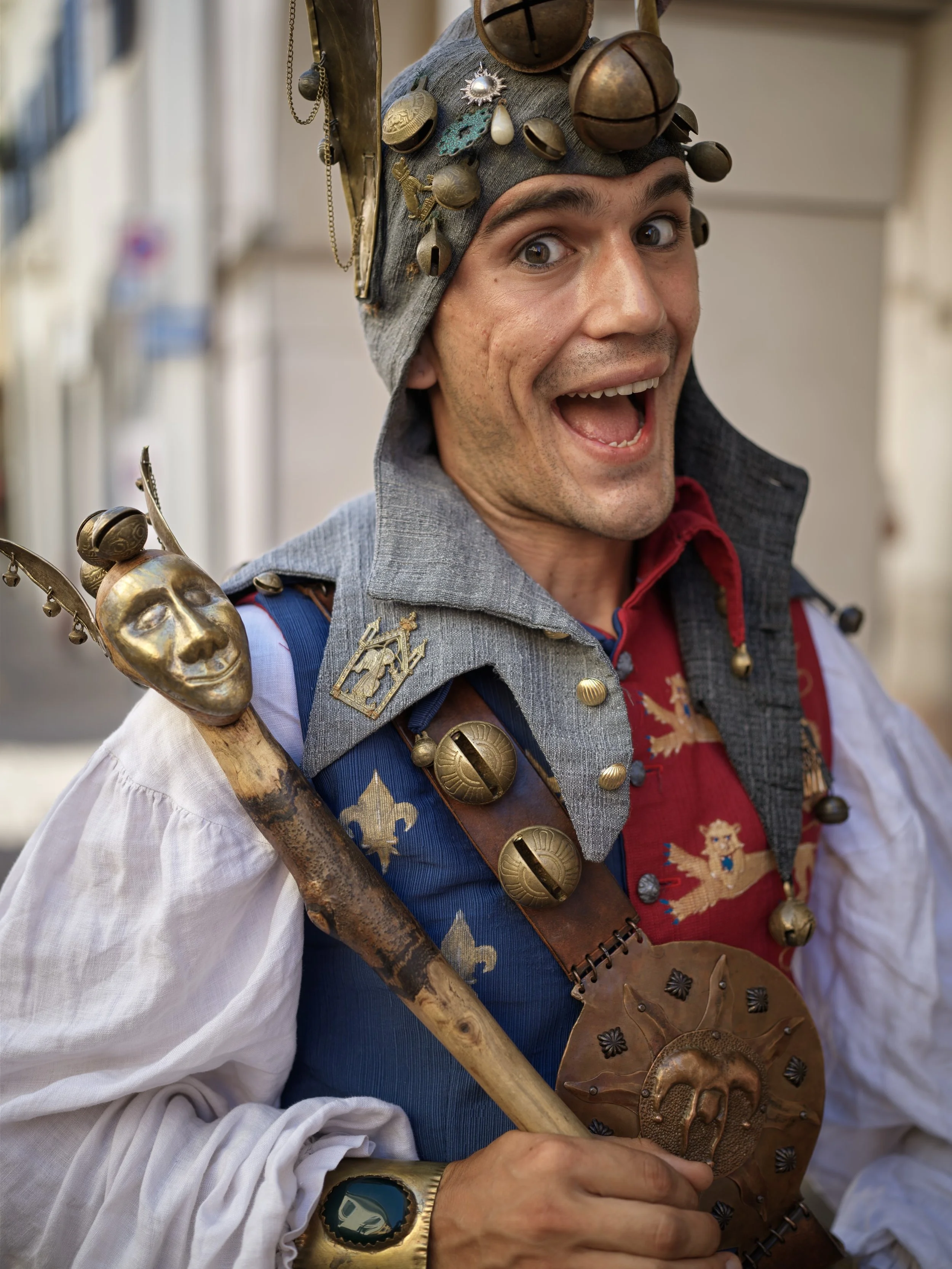
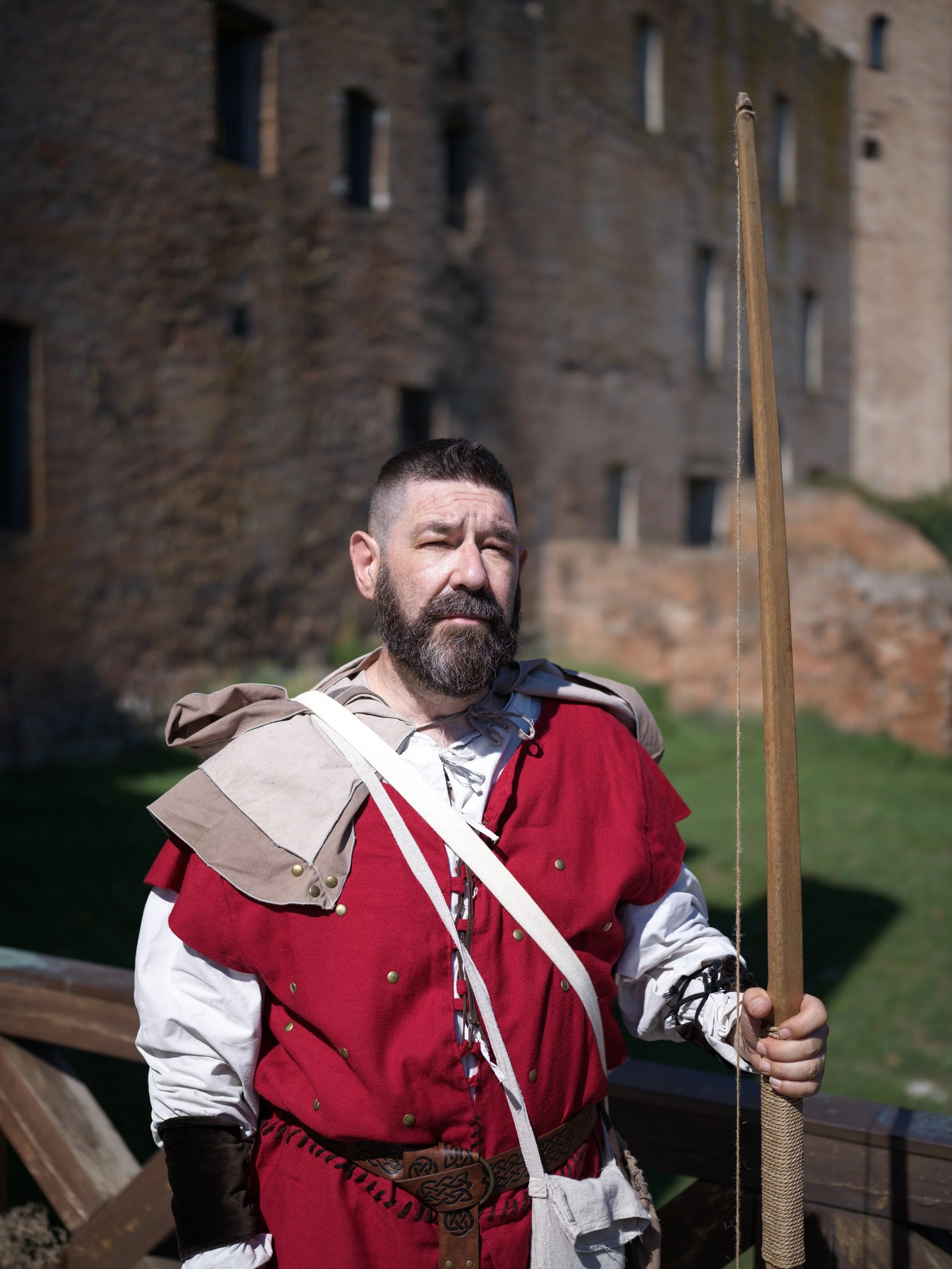
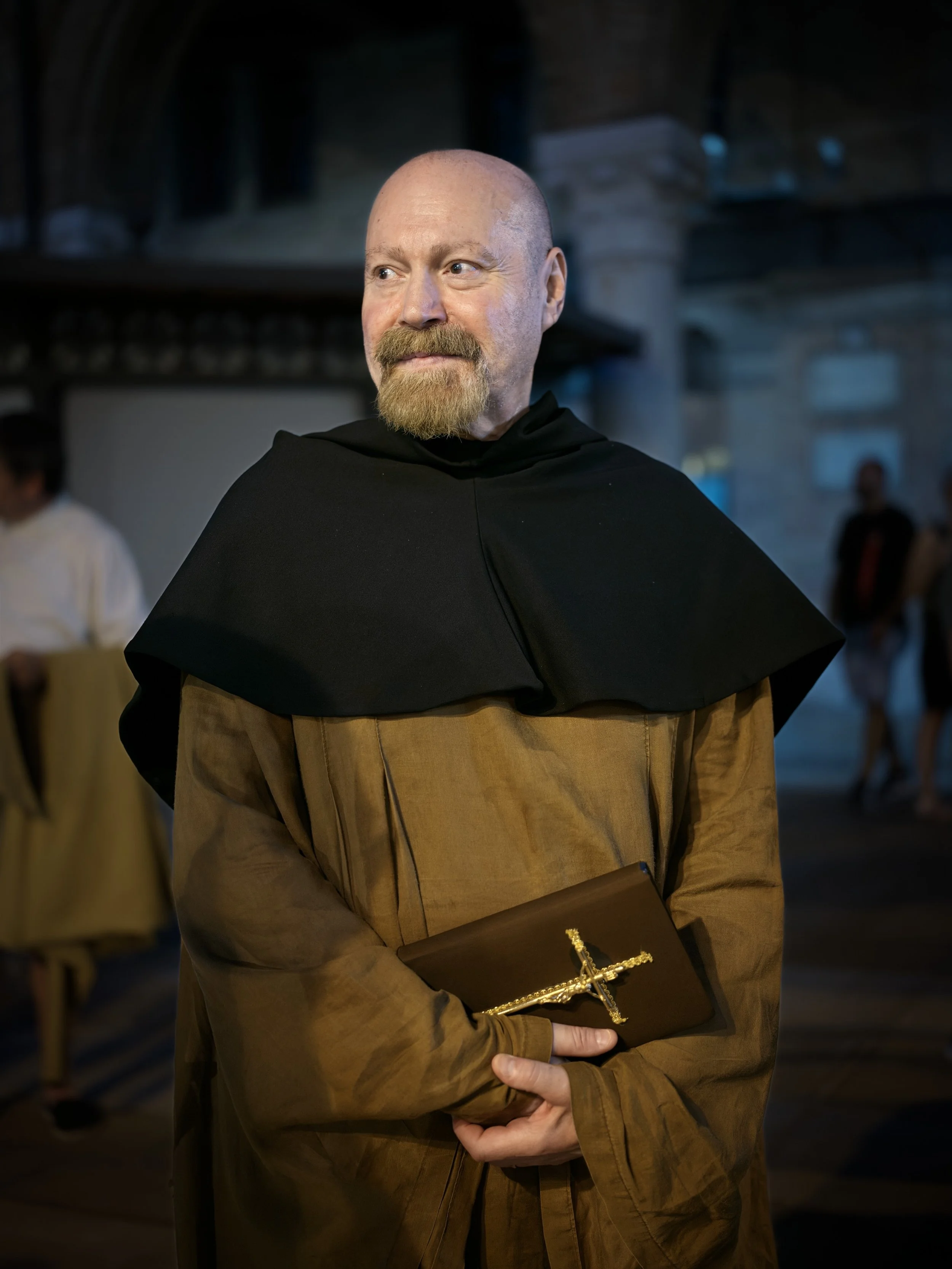
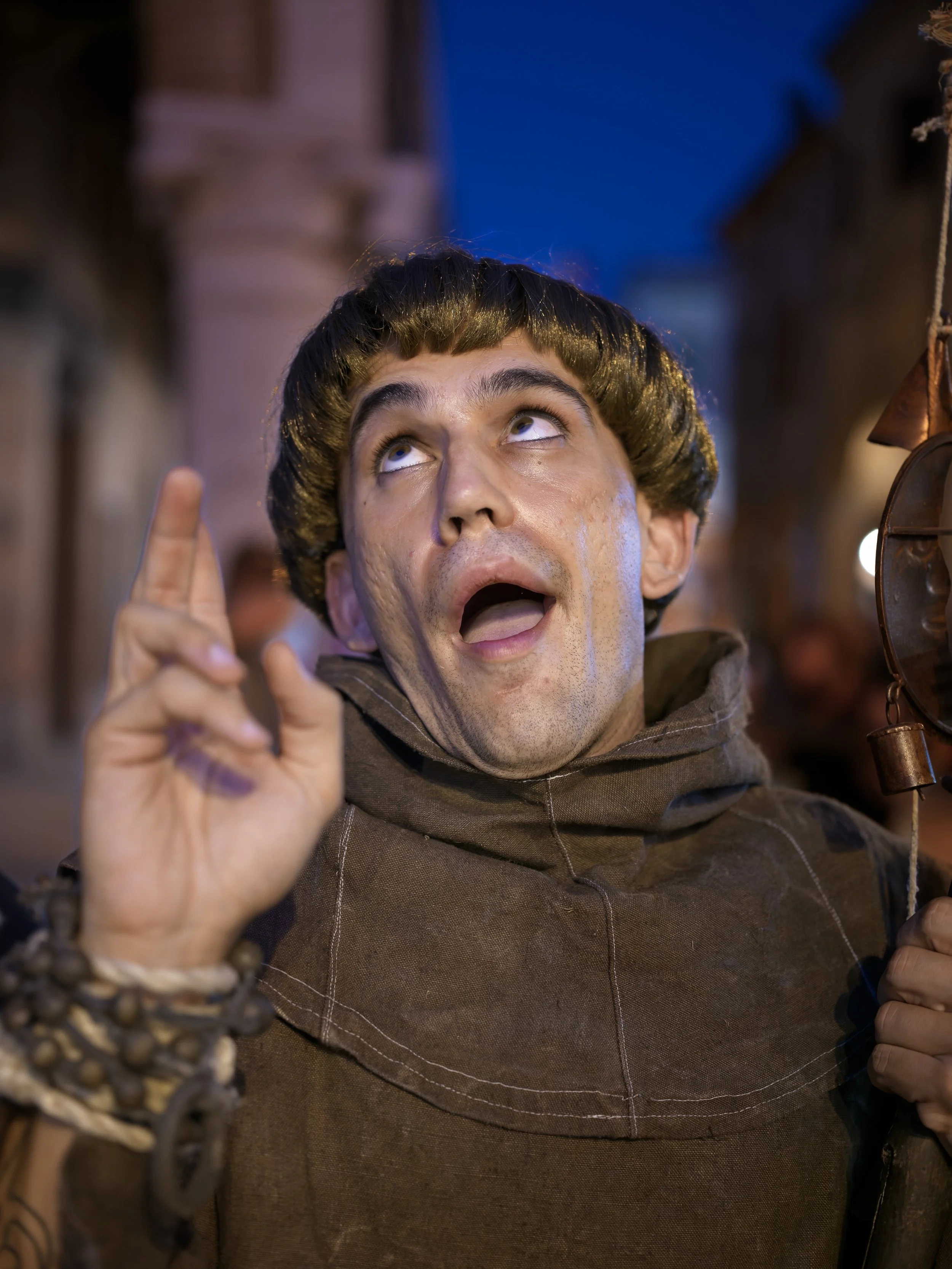
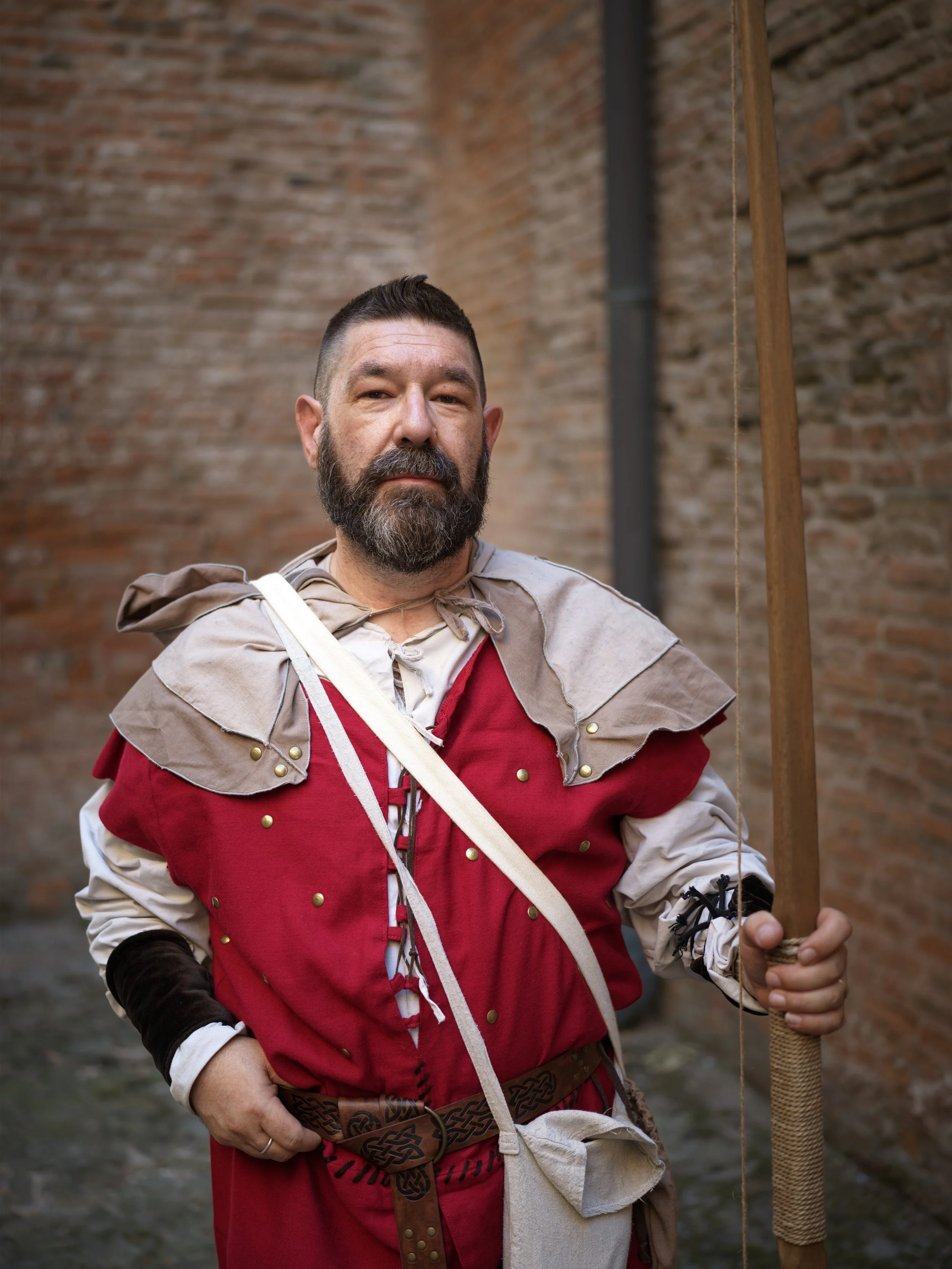
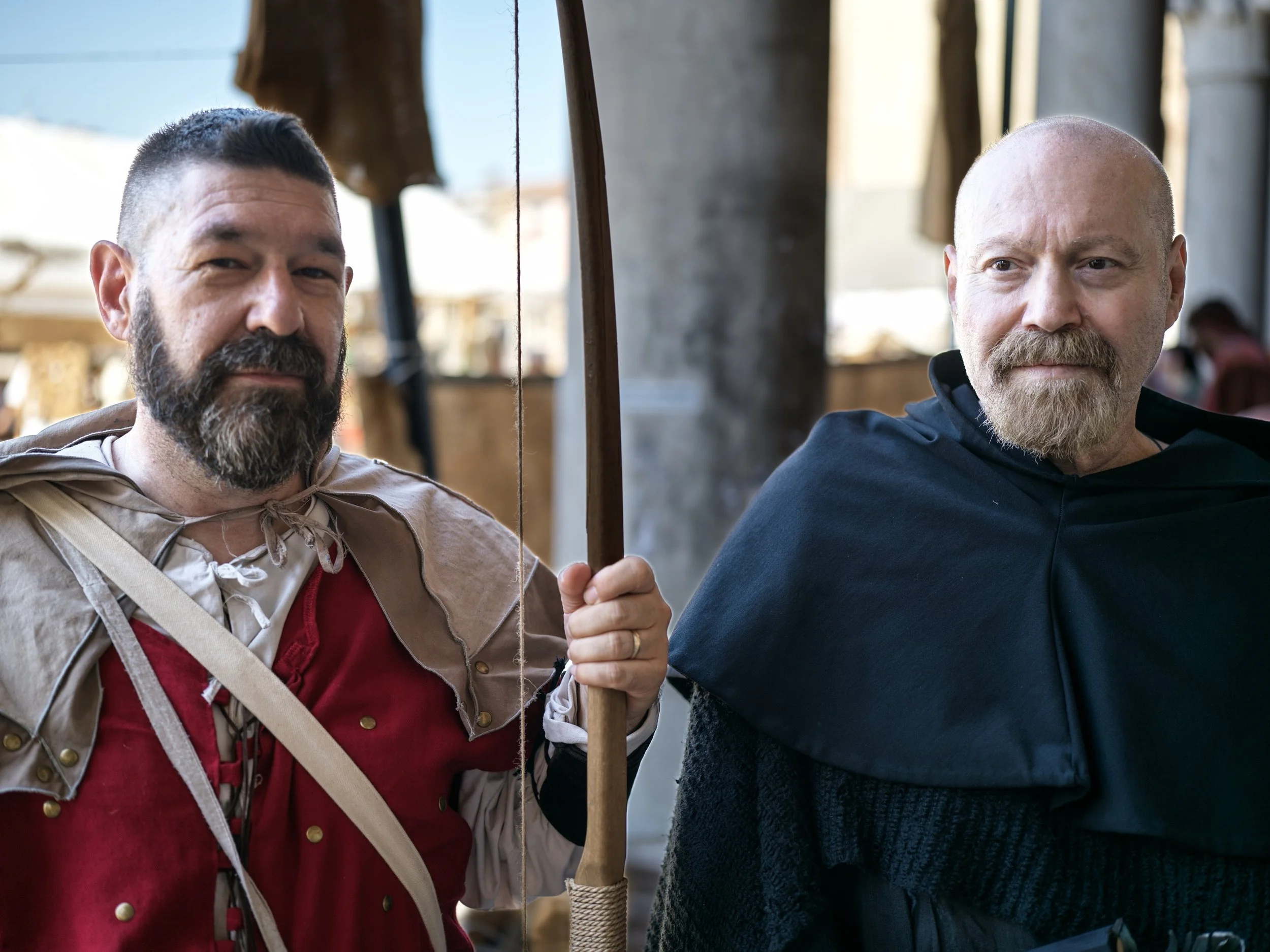
Watching them parade through the streets of Montagnana is perhaps the final jewel of the entire event.
It was three full, exhausting days of celebration, filled with sounds and colors, but also with people I met for the first time and others I was very happy to see again.
Until next time, Montagnana!