The first time I met Shigeru Miyamoto in person was at E3. If I remember correctly, it was the year the Nintendo GameCube was about to launch. So beyond the excitement for the new console, there was also this hope—this time—that I might actually get to see my idol, the person who inspired me to do what I do.
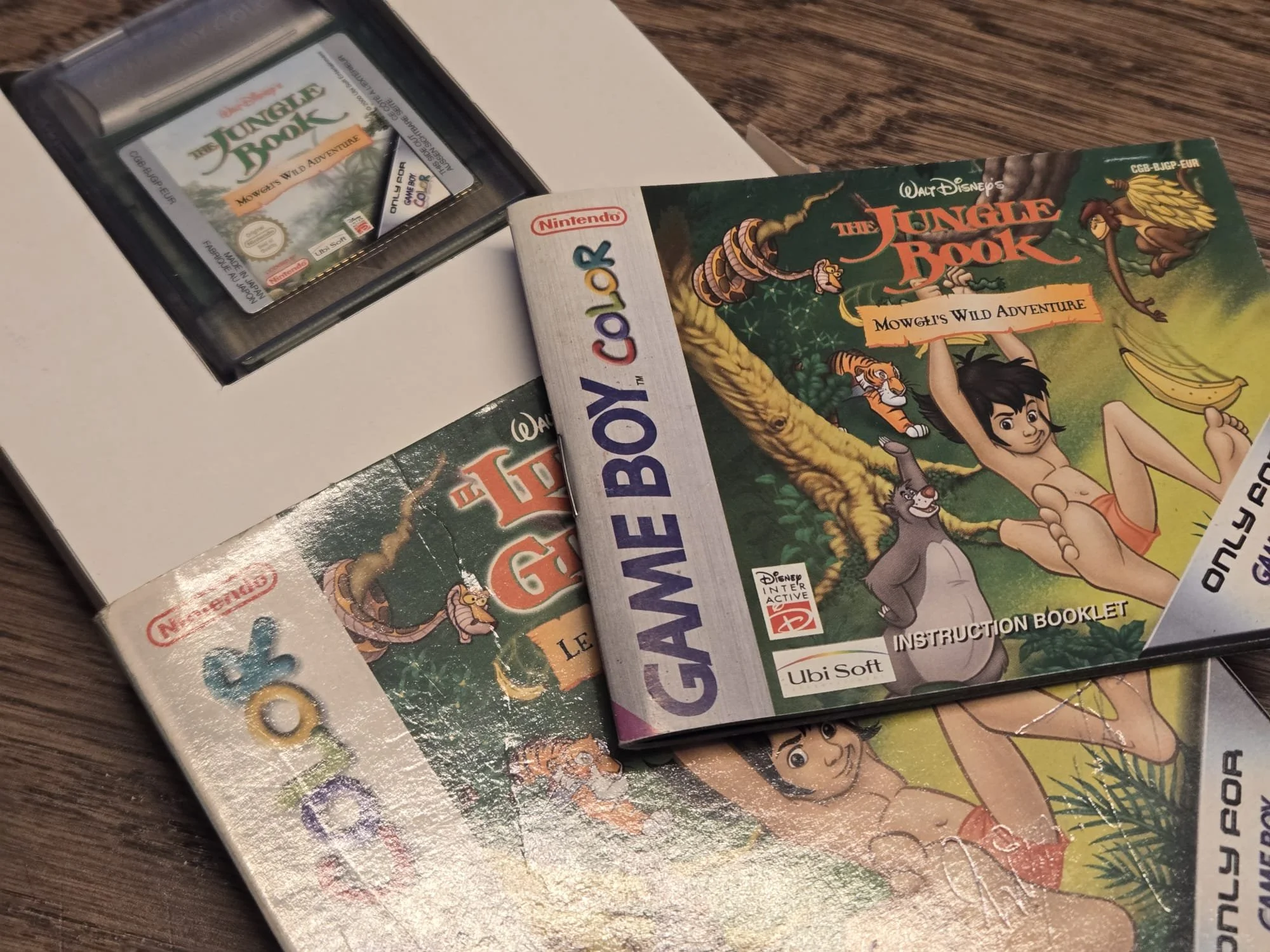
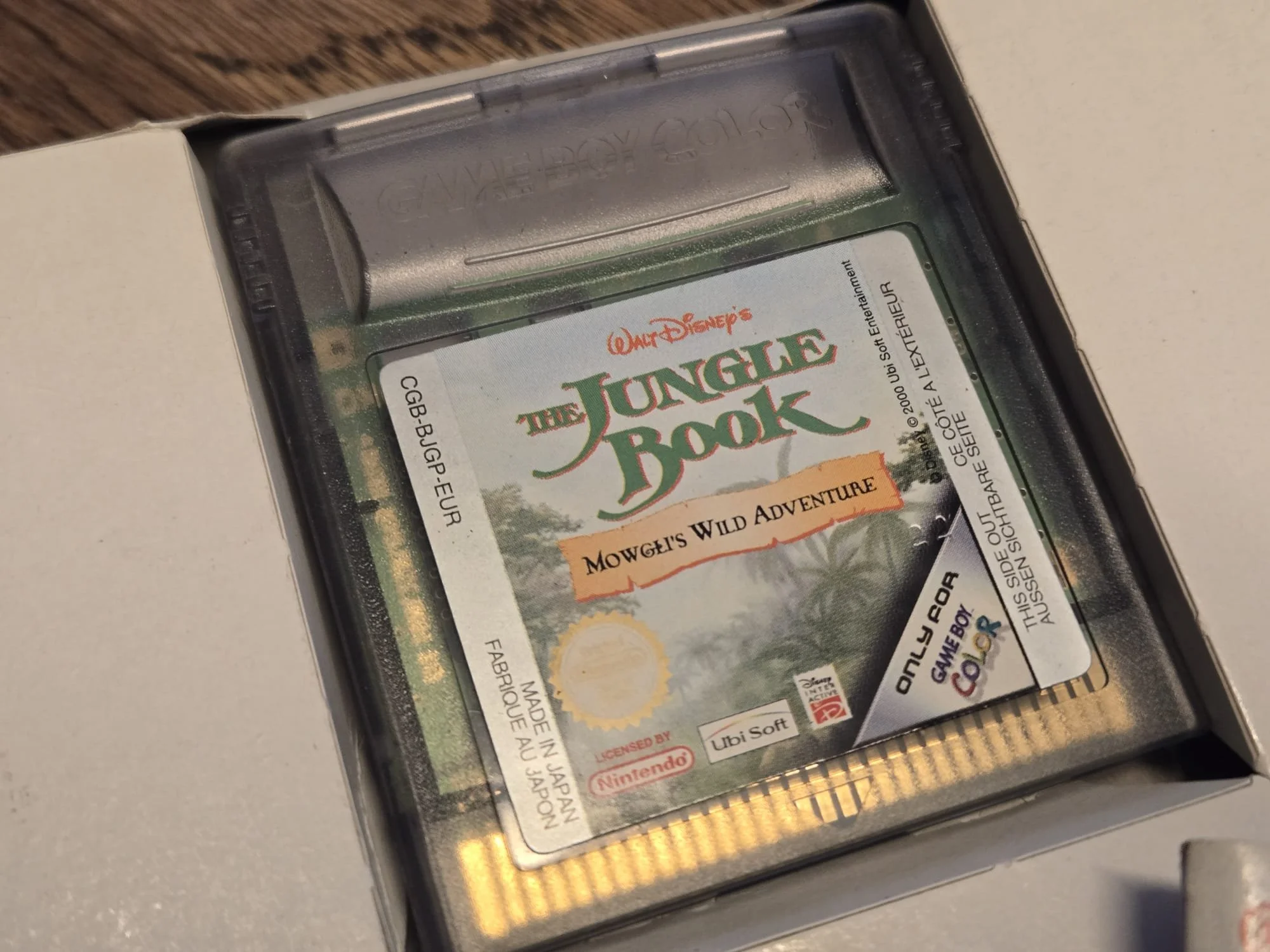
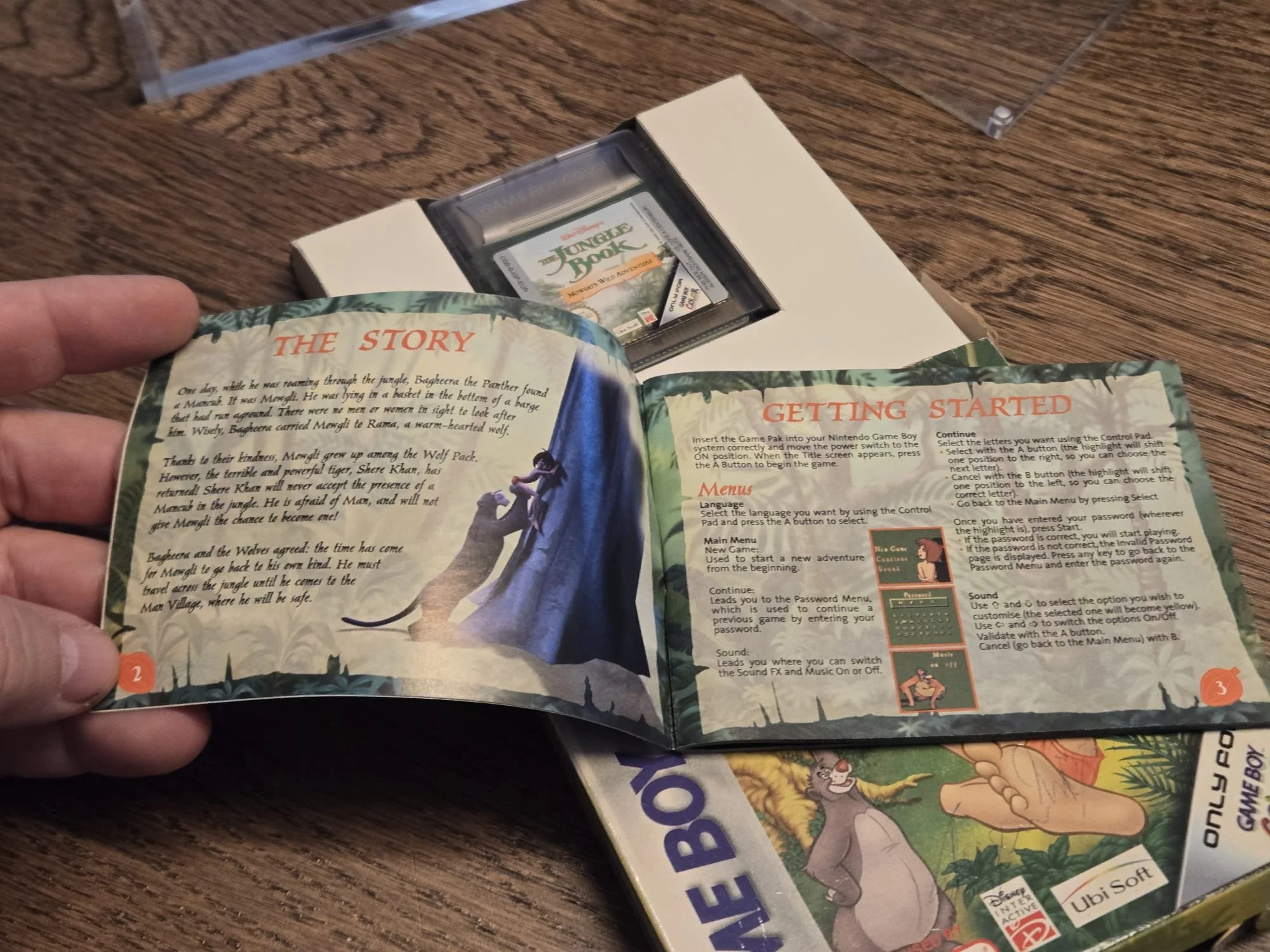
I didn’t believe it would happen… but I hoped. That’s why I decided to bring with me the latest game I had worked on: Jungle Book: Mowgli’s Adventure for the Game Boy Color, which I made right after Rayman GBC. The game had already come out and sold really well, but more importantly, like Rayman, it had received amazing reviews—scores ranging from 9 to 10. One of the reviews that stuck with me the most was from IGN. About Rayman, they wrote that the controls were “near to perfect” and that “Ubisoft had a winning team behind the Rayman GBC”. They said a lot of incredible things, like:
“Outside of Nintendo’s own in-house games, you’ll rarely see a Perfect 10 score in a Game Boy game, and this is another one that comes just an inch short of that marathon run.”, and: “After an outstanding version of Rayman on the Game Boy Color, some thought maybe Nintendo’s handheld had seen the pinnacle of its potential. But Ubi Soft is showing that Rayman was just the beginning, cranking out impressive platformers one after another.”
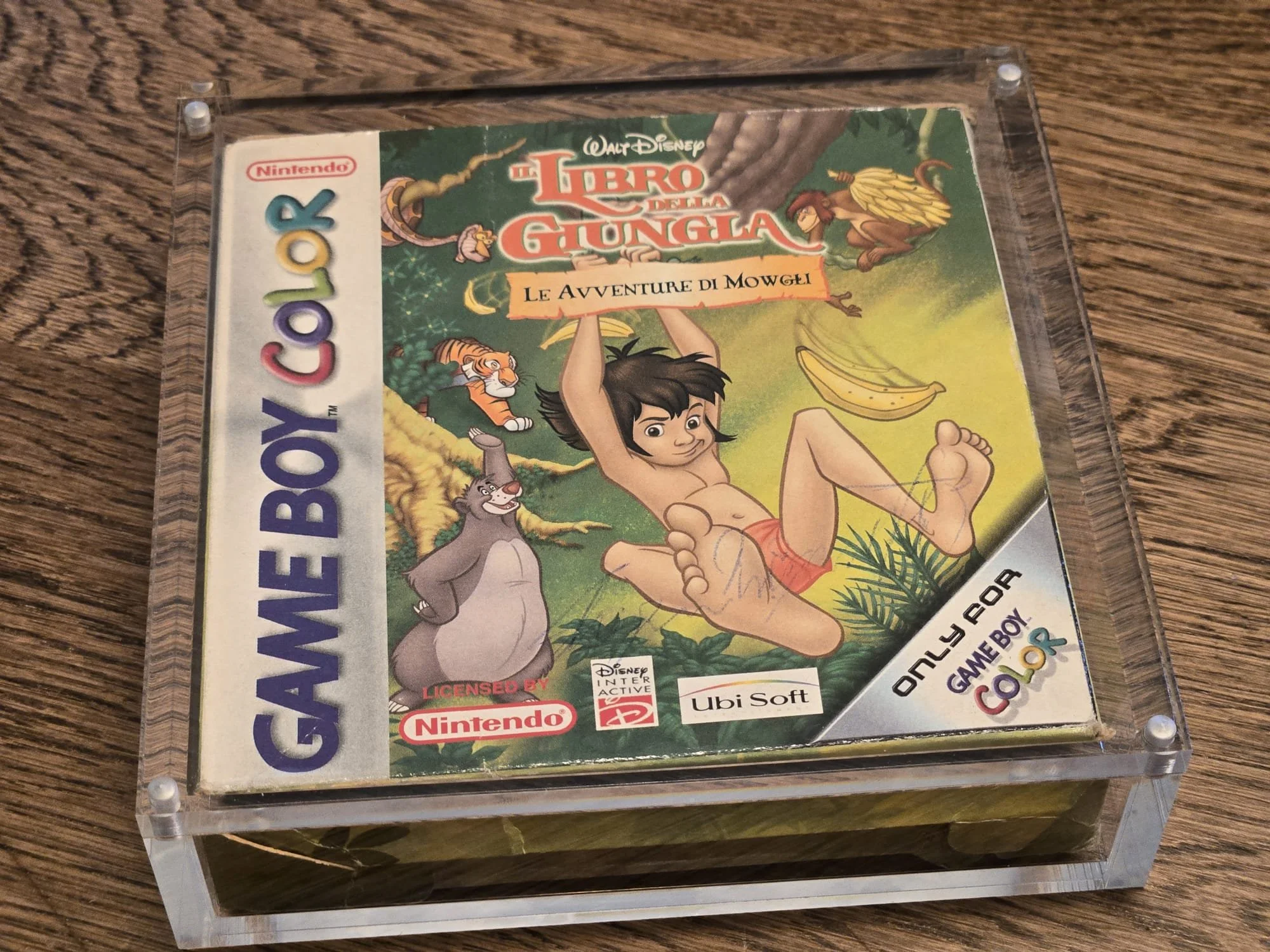
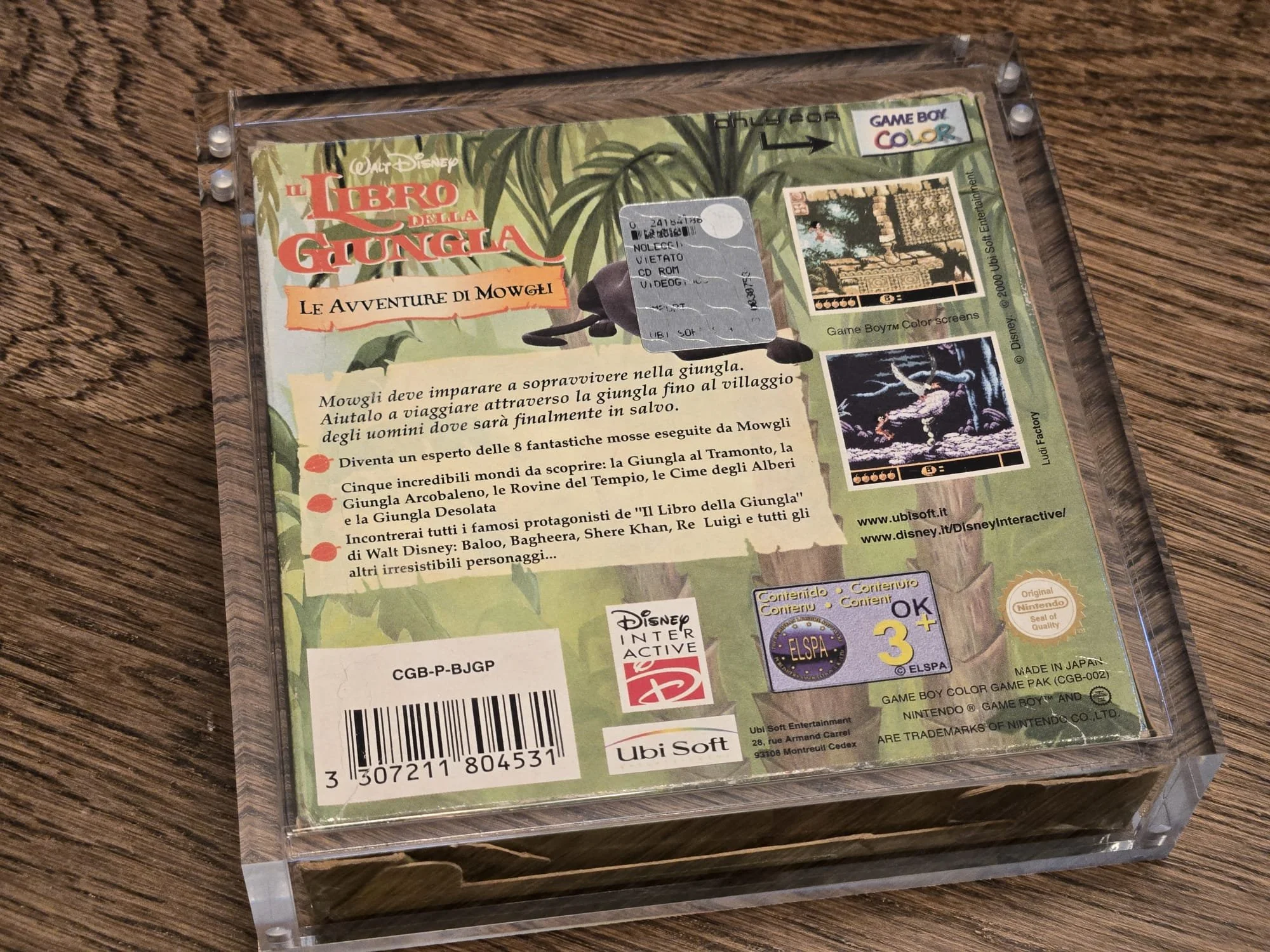
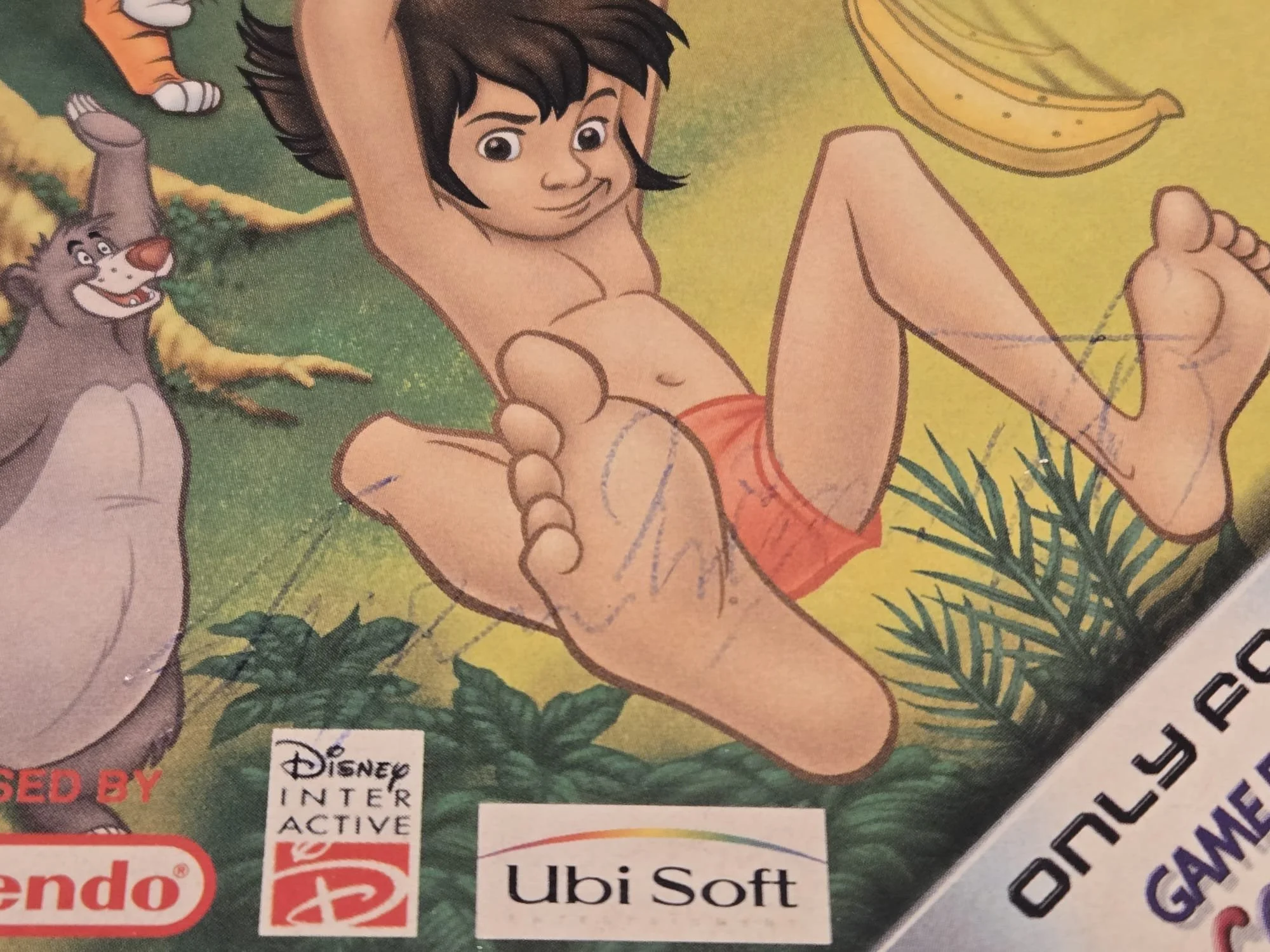
So I brought the game with me to E3, hoping I might run into Miyamoto and ask him to sign it. I had this whole speech ready in my head. I was going to tell him I had been the game design lead, that I grew up playing his games, that he was like a second father to me, that I was following in his footsteps, and that one day I dreamed of working at Nintendo. In my mind, it was perfect. Smooth. Emotional.
That’s not what happened.
I was taking a break outside the Nintendo hall (man, I really miss E3—Nintendo Directs are great, but nothing compares to being there in person). I was sitting down when a friend of mine, Nicola Aitoro, came up and told me he had just seen Miyamoto nearby. Of course, I thought he was messing with me. But when he insisted he wasn’t, I ran like a madman toward the Nintendo booth.
Back then, Miyamoto wasn’t constantly surrounded by crowds yet. He was well known, of course, but he didn’t have security. And there he was—just walking alone through the booth, observing how players were reacting to the GameCube and which games were drawing the most attention. I rushed straight up to him, holding the game in one hand and a pen—a simple blue Bic—in the other. And I said absolutely nothing. Not a word.
Everything I had prepared in my head just… disappeared. I froze. I stood there staring at him. And he looked at me, slightly puzzled—then, maybe out of instinct, or kindness, or just experience—he took the pen and the game and signed it.
What must he have thought? I’ve wondered that many times over the years. I never asked him—not even later, when I actually got to know him and work with him on Mario + Rabbids. Most likely, he thought I didn’t realize it wasn’t his game and signed it out of kindness. Or maybe because it was still a Nintendo platform game. Back then, people weren’t asking for signatures to resell things on eBay—Miyamoto still signed things for fans because it was a genuine, passionate gesture.
So I stood there in silence in front of my hero. The only thing I managed to say was a very quiet “thank you.” I bowed, then disappeared as quickly as I could—running out of the booth, hiding in a corner, shaking… and crying.
I was twenty-five. Or around that. And even if today Shigeru Miyamoto’s signature is almost invisible, I’ve never forgotten that moment. And I never will. At the same time, back then, I could have never imagined how things would turn out. And even today, as I work on Bradley the Badger in the studio I built with Christian Cantamessa, Luca Breda, Cristina Nava, and Gianmarco Zanna… I still don’t know what the future holds.
Who knows. Maybe one day I’ll get to work with Nintendo again. I’ll keep hoping so, j3ust like I did when I was twenty.